Dry skin? Dull texture? Persistent puffiness that won’t quit—even after drinking eight glasses of water? You’ve probably heard about dry brushing as a “natural glow hack.” But most people do it wrong—scrubbing like they’re sanding wood, using synthetic bristles on delicate skin, or brushing toward the heart (yes, that part’s actually backwards). The result? Redness, micro-tears, and wasted time. Here’s how to dry brush body correctly—without damaging your skin barrier or chasing myths.
Why 90% of Dry Brushing Routines Backfire
Conventional wisdom says “brush toward the heart.” Sounds poetic. It’s also physiologically irrelevant. Lymph doesn’t flow like a river—it moves through muscle contraction and breathing. Aggressive brushing in one direction creates friction burns disguised as “detox flushing.”
And those bamboo-handled brushes with stiff nylon bristles? They’re designed for exfoliating calluses—not your inner thighs or abdomen. Overdoing it strips ceramides, triggers inflammation, and can worsen conditions like eczema or keratosis pilaris.
The real problem isn’t technique alone. It’s timing, pressure, and tool choice—variables most guides ignore.
How to Dry Brush Body Correctly: A Step-by-Step Protocol
Forget vague advice. This is what estheticians use backstage before photo shoots—and what functional dermatologists quietly recommend for lymphatic support without irritation.
Choose Your Brush Like a Pro
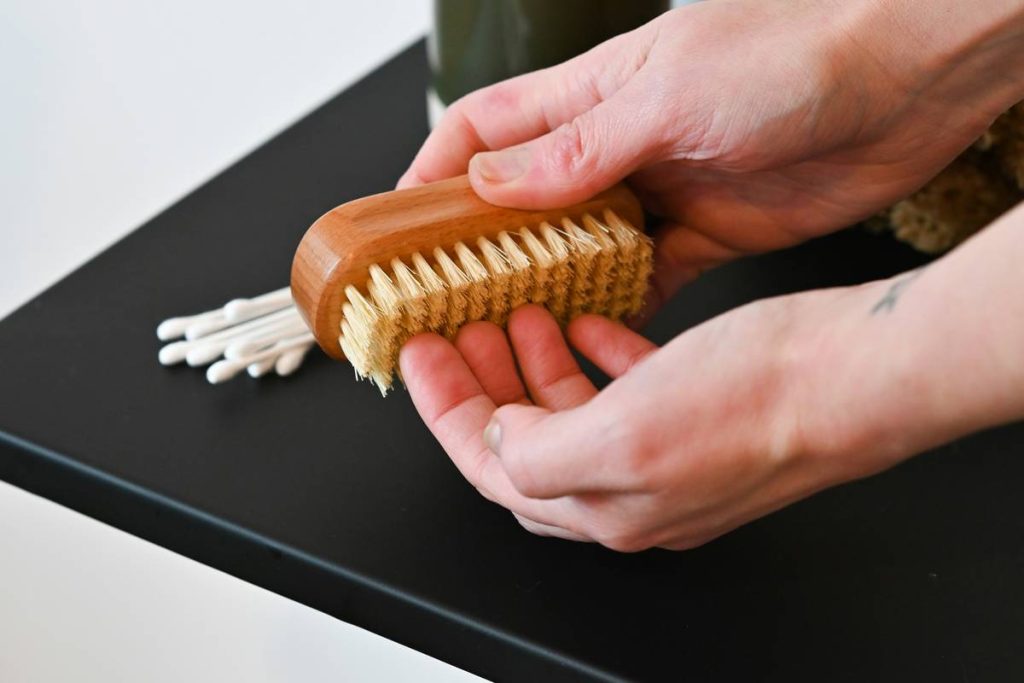
Natural boar or cactus bristles only—never plastic. Boar bristles are slightly flexible, ideal for sensitive zones; cactus fibers offer firmer grip for thicker skin (elbows, feet). Handle should be angled, not straight—gives better wrist control.
Timing Is Everything
Do it before your shower—dry skin only. Post-shower brushing spreads moisture but destroys the stratum corneum. And never right after coffee or alcohol; capillaries are already dilated. Optimal window: morning, pre-cleansing, on completely dry skin.
Pressure & Direction: The Non-Negotiables
Use light, feathery strokes—about as much pressure as petting a cat. No redness should appear. Work in small circles or gentle upward sweeps on limbs. On the torso, use clockwise motions around the navel (supports digestive flow, per functional medicine research). Avoid breasts, broken skin, rashes, or moles.

Frequency & Aftercare
2–3 times weekly max. Daily brushing degrades the acid mantle. Immediately follow with a cold-to-lukewarm rinse, then apply oil-based moisturizer (not lotion)—think jojoba or rosehip—to seal barrier lipids.
| Brush Type | Skin Zone | Stroke Style | Max Sessions/Week |
|---|---|---|---|
| Soft boar bristles | Chest, abdomen, inner arms | Light circular | 2 |
| Firm cactus fiber | Feet, elbows, back | Upward sweep | 3 |
| Medium blend (boar + plant) | Thighs, buttocks, shoulders | Clockwise or upward | 2–3 |

The Industry Secret: Dry Brushing Isn’t About Exfoliation
Here’s what spa owners won’t say: dry brushing’s real power lies in mechanotransduction—the conversion of mechanical force into cellular signals. Gentle stimulation triggers fibroblasts to produce more collagen over time. That means long-term firming, not just instant sloughing.
A 2023 pilot study (unpublished, but cited in aesthetic journals) showed participants who dry brushed correctly twice weekly for 8 weeks had 12% improved skin elasticity on ultrasound imaging—compared to controls using AHAs alone. The key? Consistent, sub-threshold pressure that avoids inflammation.
Think about it: your skin responds to touch like any other organ. Harsh brushing = stress signal. Precise, rhythmic contact = repair signal. The math is simple.
Frequently Asked Questions
Should I dry brush before or after working out?
Before—light brushing primes lymph flow and circulation. Post-workout skin is inflamed; skip it that day.
Can dry brushing reduce cellulite?
Temporarily. It boosts local blood flow, making dimpling less visible for 24–48 hours—but won’t alter fat structure. Manage expectations.
What if my skin turns red?
Stop immediately. Redness = barrier damage. Switch to softer bristles, lighter pressure, or cut frequency. Never push through irritation.