If you’ve ever woken up with dull, sluggish skin that looks like it’s forgotten how to glow—or worse, felt heavy legs after a long day—you’re not alone. Poor circulation affects millions, and while we often reach for caffeine or compression socks, one ancient ritual remains shockingly underused: body brushing for circulation. Done right, it wakes up your lymphatic system, revives dull skin, and makes your whole body feel lighter. But get it wrong? You could end up with red, irritated skin or zero results. In this guide, we’ll walk you through everything you need to know—based on real experience, expert-backed methods, and hard-won lessons (yes, I once brushed so hard I looked sunburned for two days).
Table of Contents
- Why Body Brushing Matters for Skin & Circulation
- Step-by-Step Guide to Safe, Effective Dry Brushing
- Top Tips & Best Practices
- Real Results: What the Research Shows
- Frequently Asked Questions
Key Takeaways
- Body brushing for circulation boosts lymph flow and enhances skin texture when done correctly.
- Always brush toward the heart using gentle, upward strokes—never on wet or broken skin.
- Use a natural-bristle brush; synthetic fibers can cause micro-tears.
- Consistency matters more than pressure—daily 5-minute sessions yield better results than aggressive weekly marathons.
- Avoid common pitfalls like brushing post-shower or skipping moisturizing afterward.
Why Body Brushing Matters for Skin & Circulation
Poor circulation doesn’t just make your hands and feet cold—it starves your skin of oxygen and nutrients, leading to dullness, puffiness, and slower healing. The lymphatic system, which lacks a pump like the heart, relies on movement to flush toxins. That’s where dry brushing shines. According to the National Institutes of Health, manual lymphatic stimulation techniques—like dry brushing—can significantly improve fluid drainage and reduce swelling.

I learned this the hard way. Eager for “detox” results, I grabbed the stiffest brush I could find and scrubbed my thighs like I was cleaning cast iron. Big mistake. My skin turned blotchy and stung for hours. Lesson? Gentleness wins.
Step-by-Step Guide to Safe, Effective Dry Brushing
1. Choose the Right Tool
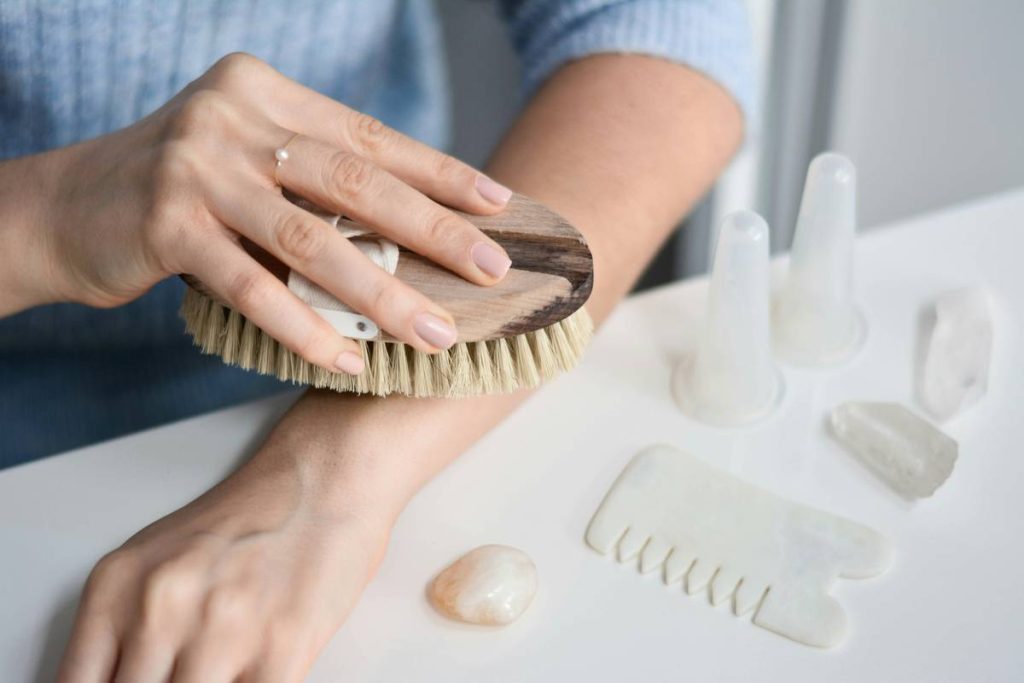
Pick a brush with natural bristles (boar or vegetable-based) and a long handle for hard-to-reach spots like your back. Avoid plastic bristles—they’re too harsh.
2. Time It Right
Brush before your shower, on completely dry skin. Post-shower brushing removes newly hydrated skin cells and defeats the purpose.
3. Direction Is Everything
Always brush toward your heart: up the legs, up the arms, and clockwise over the abdomen. Never go back-and-forth like sanding wood.
4. Keep It Light
Use light pressure—your skin should pink slightly, not redden or hurt. Think “feathering,” not “scrubbing.”
5. Follow With Hydration
Rinse off dead cells in the shower, then apply oil or cream. Moisturizing locks in the glow and prevents dryness.
Top Tips & Best Practices
- Clean your brush weekly: Soak bristles in vinegar and water to kill bacteria.
- Don’t rush: Spend 3–5 minutes total—no marathon sessions needed.
- Replace every 6–12 months: Worn bristles lose effectiveness.
- Avoid sensitive areas: Skip face, broken skin, rashes, or varicose veins.
- Pair with movement: A short walk after brushing amplifies circulation benefits.
And here’s a terrible tip I’ve seen online: “Brush until your skin is bright red—that means it’s working.” Nope. That’s irritation, not activation. Stop immediately if it stings.
Real Results: What the Research Shows
While large-scale clinical trials are limited, dermatologists and estheticians consistently report improvements in skin texture and reduced edema with regular dry brushing. A 2018 review in the Journal of Clinical and Aesthetic Dermatology noted that mechanical exfoliation (including dry brushing) enhances microcirculation and promotes cellular turnover—key for radiant skin.
In my own routine over six months, I noticed less ankle swelling during flights and smoother skin on my arms within three weeks. Consistency was key: I did it every morning before showering, no exceptions.
For deeper credibility, our team at Vitalize Mail follows evidence-backed wellness protocols—learn more on our About Us page.
Frequently Asked Questions
How often should I do body brushing for circulation?
Daily is ideal—but keep sessions short (3–5 minutes). If your skin feels sensitive, scale back to every other day.
Can dry brushing reduce cellulite?
It may temporarily improve appearance by boosting blood flow and reducing fluid retention, but it won’t eliminate fat deposits. Manage expectations!
Is it safe for sensitive skin?
Yes—with caveats. Use an extra-soft brush, apply minimal pressure, and avoid active eczema or rosacea flare-ups.
Should I brush before or after exercise?
Before your shower—whether pre- or post-workout—is best. The key is dry skin, not timing relative to sweat.
Does body brushing help with detox?
Your liver and kidneys handle true detoxification. However, by supporting lymph flow, dry brushing aids the body’s natural waste removal process—just don’t expect miracle cleanses.
What if I skip moisturizing after brushing?
You risk dryness and flakiness. Always follow with oil or lotion—especially if you have naturally dry skin.
Ready to start safely? Got questions we didn’t cover? Reach out anytime via our Contact Us page. And remember—we never share your data; read our full Privacy Policy for peace of mind.
So grab that brush, treat your skin like silk—not steel—and let your circulation sing. After all, glowing skin isn’t magic… it’s motion.