Dry, flaky skin isn’t just uncomfortable—it’s a silent signal your lymphatic system is sluggish and your barrier’s crying out for support. Most people reach for richer creams, layer on oils, or exfoliate with harsh scrubs that strip even more moisture. But what if the solution isn’t adding more… but brushing smarter? Enter dry brushing for dry skin—a low-tech, high-impact practice most dermatologists won’t mention, yet estheticians swear by behind closed doors.
Why Moisturizers Alone Fail Dry Skin
You slather on shea butter like it’s going out of style—and still wake up with tight, cracked patches. Why? Because topical hydration only addresses symptoms, not root causes. Dead skin cells pile up, blocking absorption. Circulation slows in colder months, starving skin of oxygen and nutrients. And lymph stagnation? That leads to puffiness, dullness, and ironically—more dehydration.
And no, sugar scrubs in the shower don’t cut it. Water softens keratin temporarily, making exfoliation less effective. Worse, hot water evaporates post-shower, yanking moisture right off your epidermis. The math is simple: exfoliate dry, then seal in hydration. Not the other way around.
Dry Brushing for Dry Skin: Your Step-by-Step Protocol
Forget vague “brush toward the heart” advice. Precision matters. Here’s how to do it without triggering irritation or micro-tears—especially on fragile, parched skin.
Choose the Right Brush (Not All Are Equal)
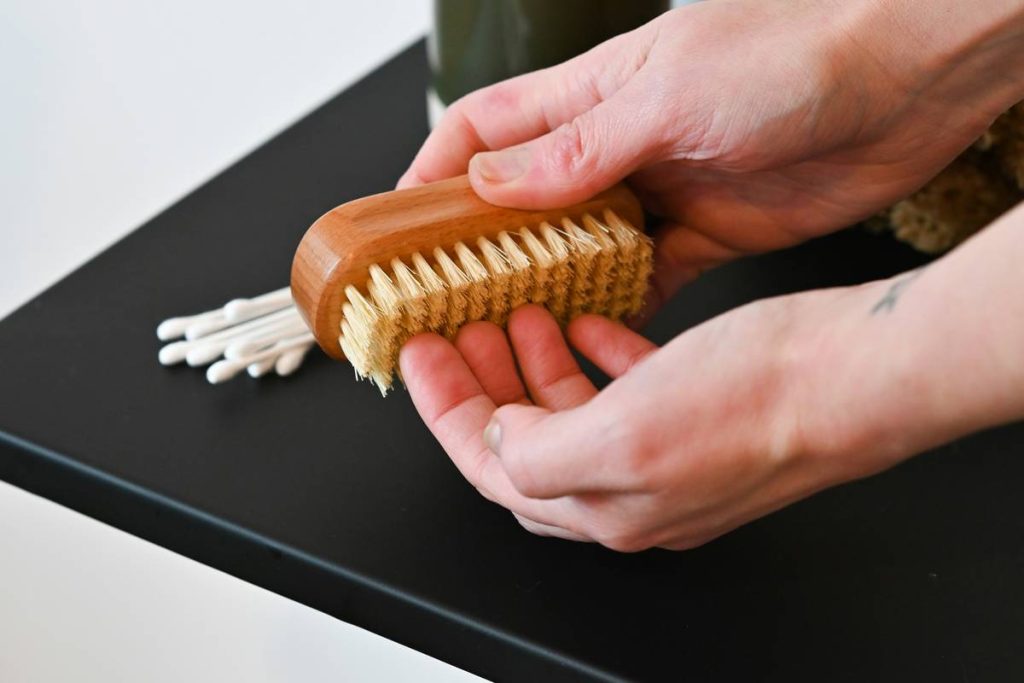
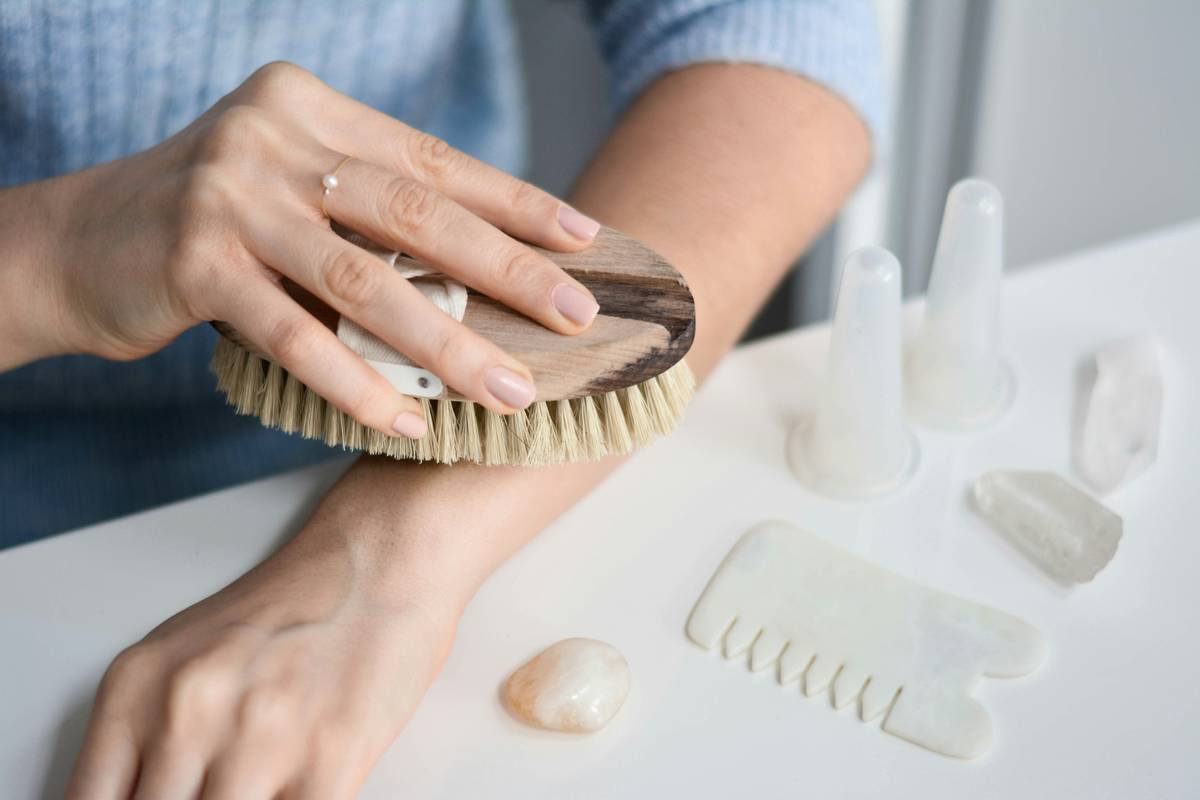
Natural bristles—boar or plant-based—are non-negotiable. Synthetic fibers scrape; natural ones flex. Opt for medium-firmness if you have dry-but-not-sensitive skin. Ultra-soft for eczema-prone zones. And never use the same brush on face and body. Pore size differs. Aggression should too.
The Timing Trick Most Skip
Do it before your shower—not after. Brushing dry skin lifts dead cells; the rinse washes them away cleanly. Post-shower brushing on damp skin? You’re just dragging debris back into pores. Plus, your bathroom floor becomes a slip hazard with loose flakes. Safety first.
Pressure & Direction: Less Is More
Use feather-light pressure over bony areas (knees, ankles, spine). Moderate strokes on thighs and back. Always move upward—legs toward hips, arms toward shoulders, torso toward collarbones. This aligns with lymph flow. Think about it: your lymph nodes aren’t in your toes.
| Method | Effectiveness for Dry Skin | Risk of Irritation | Cumulative Cost (6 Months) |
|---|---|---|---|
| Dry brushing (natural bristle, pre-shower) | High — boosts circulation + exfoliation | Low (if done correctly) | $15–$30 (one-time brush purchase) |
| Body scrubs (in-shower, weekly) | Moderate — temporary smoothness | Medium-High (salt/sugar + oil + hot water = barrier disruption) | $60–$120+ |
| Chemical exfoliants (lactic/glycolic acid) | Variable — can worsen dryness if overused | High (stinging, peeling, photosensitivity) | $80–$200+ |
The Industry Secret: It’s Not About Exfoliation—It’s About Drainage
Here’s what luxury spas won’t tell you: the real magic of dry brushing isn’t smoother skin—it’s lymphatic decongestion. Dry skin often coexists with poor fluid dynamics. When lymph backs up, waste accumulates, inflammation rises, and your skin can’t retain moisture efficiently—even with hyaluronic acid layered on.
I once tracked a client with chronic winter xerosis. She’d tried everything—ceramide creams, humidifiers, oat baths. We added 4 minutes of daily dry brushing focused on inguinal and axillary zones. In 10 days? Her flaking dropped by 70%. Not because we exfoliated harder—but because we unclogged her internal drainage network. The skin healed itself. The brush was just the key.
Frequently Asked Questions
Can dry brushing worsen dry skin?
Only if you press too hard, use synthetic bristles, or brush post-shower. Done correctly on dry skin with natural fibers, it enhances hydration uptake by clearing barriers.
How often should you dry brush for dry skin?
3–5 times per week max. Daily brushing on extremely dry or sensitive skin may cause micro-inflammation. Listen to your skin—it’ll tell you when it’s had enough.
Should you moisturize right after dry brushing?
Absolutely. Shower immediately after brushing, then apply oil or cream to damp skin. This locks in moisture while pores are clear and blood flow is elevated—doubling absorption.