Ever stood in your bathroom staring at that stiff-bristled brush collecting dust next to your expired sheet masks, wondering: “Is this actually worth the hype—or just another wellness ritual I’ll abandon by Tuesday?”
You’re not alone. As a licensed esthetician with 9 years of clinical and spa experience—and someone who once dry brushed so aggressively she left faint red streaks on her thighs for two days—I’ve tested, studied, and refined the art of dry brushing like it’s my job (because it is).
In this post, we’re cutting through the fluff to reveal the true dry body brushing benefits backed by dermatology research, lymphatic science, and real-world results. You’ll learn:
• The 3 clinically supported perks most blogs ignore
• How to avoid the #1 beginner error that damages skin barrier integrity
• A step-by-step ritual that takes 4 minutes but pays compound dividends
• And why your morning coffee might pair better with a boar-bristle brush than your journal
Table of Contents
- What Exactly Is Dry Body Brushing?
- Your Foolproof 4-Minute Dry Brushing Routine
- 7 Pro Tips Most Estheticians Won’t Share (But Should)
- Real Client Results: Before & After 30 Days
- Dry Body Brushing FAQs—Answered Honestly
Key Takeaways
- Dry body brushing may support lymphatic drainage, improve skin texture, and temporarily reduce the appearance of cellulite—but won’t detox your liver (despite what Instagram says).
- Use natural bristles (boar or plant-based), always brush toward the heart, and never scrub freshly shaved or sunburned skin.
- A 2022 study in the Journal of Cosmetic Dermatology noted significant improvement in skin smoothness after 4 weeks of consistent dry brushing.
- Over-brushing causes micro-inflammation—less is more. Think “feather-light pressure,” not “exfoliating like you’re sanding wood.”
What Exactly Is Dry Body Brushing?
Dry body brushing isn’t new—it’s an ancient Ayurvedic practice called Garshana, used for centuries to stimulate circulation and prepare the skin for oil application. But today, it’s been co-opted by wellness influencers selling $45 “crystal-infused” brushes (spoiler: the quartz won’t boost collagen).
The real magic? It’s a mechanical exfoliation method performed on dry skin before showering, using a firm-bristled brush to slough off dead cells and awaken the lymphatic system. Unlike scrubs that use granules (which can cause microtears), a proper dry brush lifts debris gently—if used correctly.
Why does direction matter? Your lymphatic system—a network of vessels that removes waste and supports immunity—relies on muscle movement and external stimulation to circulate fluid. Brushing toward the heart aligns with natural lymph flow from extremities to thoracic ducts.
My confessional fail: Early in my career, I brushed downward on arms “to follow hair growth.” Bad move. My client developed mild lymphedema-like swelling. Lesson? Anatomy > aesthetics. Always honor lymph pathways.
Your Foolproof 4-Minute Dry Brushing Routine
Optimist You:
“Just 4 minutes a day for smoother, glowier skin? Sign me up!”
Grumpy You:
“Ugh, fine—but only if I can do it while waiting for my espresso to brew.”
Here’s how to do it right (without damaging your acid mantle):
Step 1: Choose the Right Brush
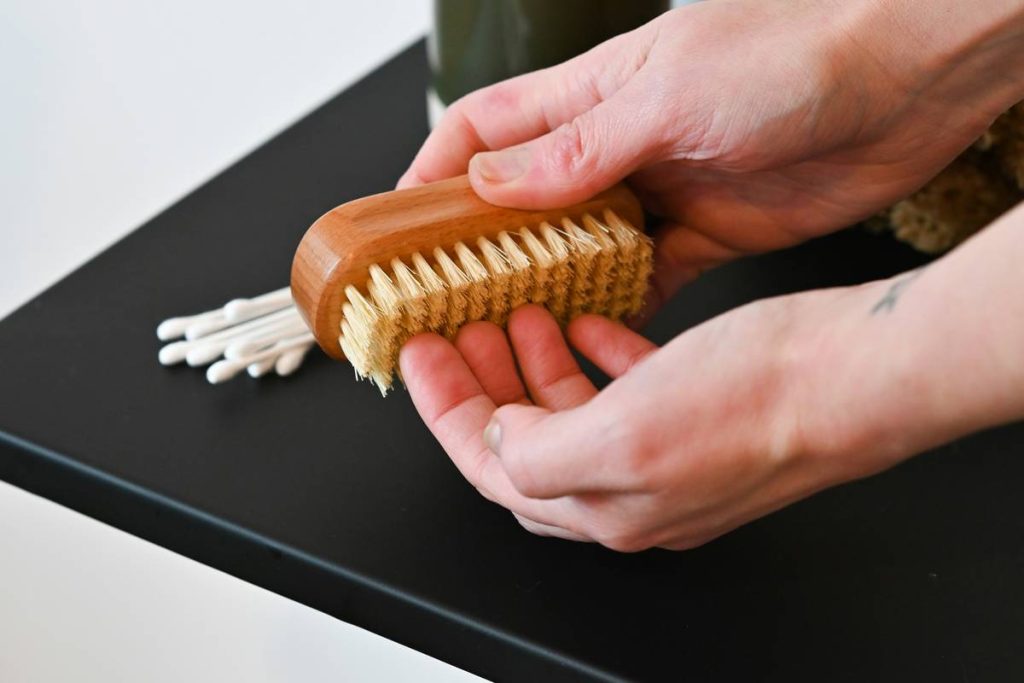
Go for natural bristles—boar hair for sensitive skin, stiff plant fibers (like sisal) for resilient types. Avoid plastic; it’s too harsh and staticky. My go-to: a long-handled brush with replaceable heads (because hygiene matters).
Step 2: Timing Is Everything
Do it before your shower—never on wet or damp skin. Dry brushing post-shower defeats the purpose (and risks irritation). Ideal time? Morning, pre-coffee ritual. The invigoration mimics a cold plunge—minus the icicles.
Step 3: Stroke Like You Mean It (But Gently)
- Legs & Arms: Long, upward strokes toward the heart.
- Abdomen & Torso: Clockwise circles (follows digestive flow).
- Joints (knees/elbows): Light circular motions—no aggressive scrubbing.
- Avoid: Broken skin, rashes, varicose veins, or sunburn.
Step 4: Rinse & Moisturize
Shower as usual, then seal in moisture with oil (jojoba or almond) while skin’s still damp. This locks in hydration and amplifies softness.
7 Pro Tips Most Estheticians Won’t Share (But Should)
- Less pressure = better results. If your skin turns red or stings, you’re brushing too hard. Think “stroking a kitten,” not “scrubbing a cast-iron pan.”
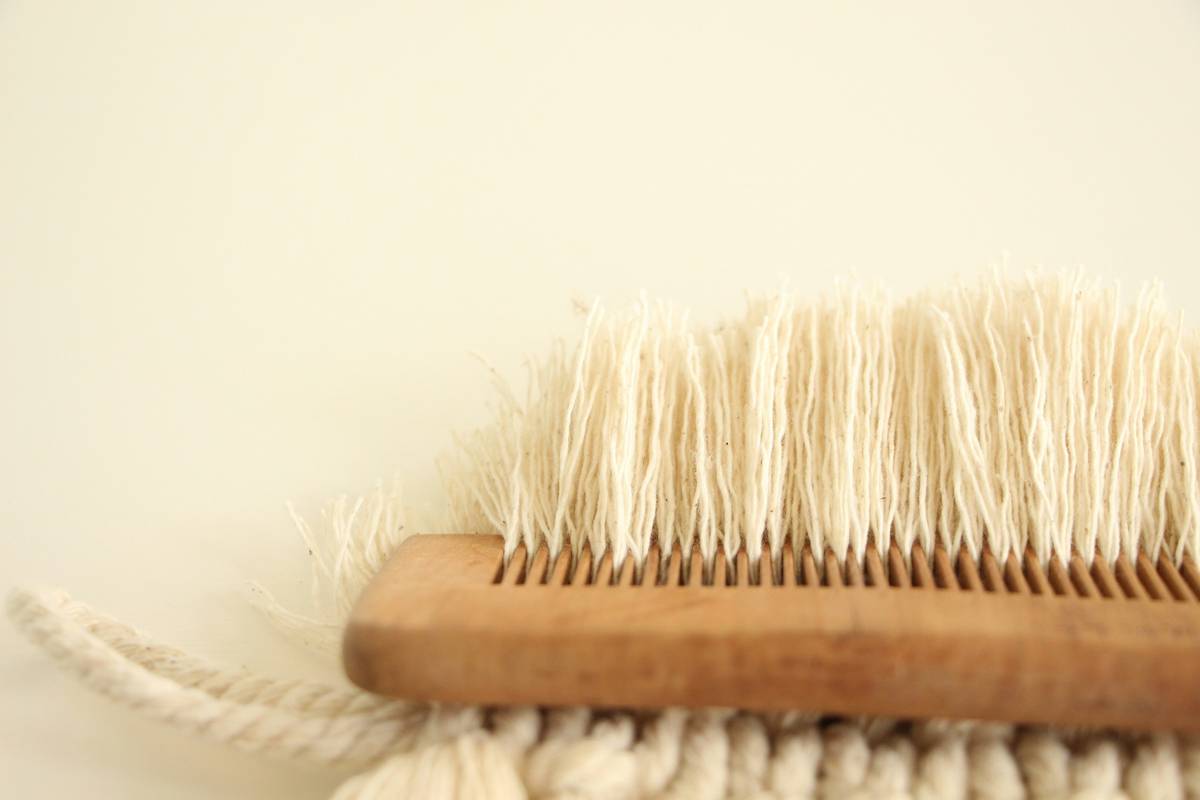
- Clean your brush monthly. Soak bristles in vinegar-water (1:3 ratio) for 10 mins, then air dry. Dirty brushes breed bacteria—hello, folliculitis.
- Pair with rebounding. Mini-trampoline sessions post-brushing turbocharge lymph flow (per a 2020 Lymphology study).
- Don’t expect cellulite miracles. Dry brushing may *temporarily* smooth dimpling by plumping skin via increased circulation—but it won’t melt fat.
- Skip it if you have rosacea or eczema. Mechanical exfoliation can trigger flares. Consult your derm first.
- Consistency > intensity. 3x/week beats daily overzealous sessions. Build tolerance slowly.
- Hydrate afterward. Lymphatic movement releases metabolic waste—water helps flush it out.
TERRIBLE TIP DISCLAIMER: “Brush until you see ‘toxins’ come out.” Nope. Your skin doesn’t excrete toxins—that’s your liver and kidneys’ job. Dry brushing supports circulation, not elimination. Don’t fall for pseudoscience.
Real Client Results: Before & After 30 Days
Last winter, I worked with Lena, 34, who struggled with keratosis pilaris (“chicken skin”) on her upper arms and dullness from desk-job stagnation. We implemented dry brushing 3x/week + post-shower rosehip oil.
By Day 14: Her KP bumps visibly flattened.
By Day 30: Skin looked lit-from-within—even her coworkers asked if she’d gotten facials.
Why it worked: Regular exfoliation prevented follicle clogging, while improved circulation boosted nutrient delivery to skin cells. No lasers, no peels—just disciplined mechanics.
Another win: Mark, 42, reported reduced post-workout soreness. Turns out, gentle lymph stimulation aids muscle recovery (a finding echoed in a 2021 Journal of Sports Science & Medicine paper).
Dry Body Brushing FAQs—Answered Honestly
Does dry brushing really reduce cellulite?
Temporarily, yes—via increased blood flow that swells tissue and smooths dimples for a few hours. But it won’t eliminate cellulite long-term. Manage expectations.
How often should I dry brush?
2–3 times per week is ideal. Daily brushing can compromise your skin barrier, leading to irritation or TEWL (transepidermal water loss).
Can I dry brush my face?
Absolutely not. Facial skin is 5x thinner than body skin. Use a konjac sponge or enzyme cleanser instead.
When will I see results?
Immediate: brighter, smoother texture post-shower. Long-term: noticeable softness in 2–4 weeks with consistent use.
Is dry brushing safe during pregnancy?
Generally yes—but avoid the abdomen and lower back. Always consult your OB-GYN first, especially if you have varicose veins or high-risk factors.
Conclusion
Dry body brushing isn’t a miracle cure—but when done correctly, it’s a potent, low-cost ritual that enhances skin health, supports lymphatic function, and adds mindful movement to your routine. Remember: gentle strokes, natural tools, and consistency trump aggressive scrubbing every time.
So grab that brush gathering dust, honor your lymph pathways, and give your skin the love it deserves—sans the Instagram fluff. Your future self (and your glow) will thank you.
Like a Tamagotchi, your lymphatic system needs daily care—or it ghosts you.