Ever stood in the shower, lathered up, and still felt… blah? Like your skin’s dull, your legs are heavy, and no amount of coffee is perking you up? You’re not imagining it. Poor lymphatic flow can leave you feeling sluggish, puffy, and stuck—even if you’re eating clean and hydrating like a water sommelier.
In this post, we’ll unpack how lymph drainage massage and dry brushing work together to support your body’s natural detox system—not with magic, but with science-backed mechanics. You’ll learn:
- How your lymphatic system actually functions (spoiler: it has no pump!)
- Step-by-step dry brushing techniques that actually move lymph
- When to combine dry brushing with manual lymphatic drainage for maximum effect
- Real-world results from clients (and my own bathroom floor fails)
Table of Contents
- Why Your Lymphatic System Needs a Little Help
- How to Dry Brush for Lymphatic Flow (Not Just Exfoliation)
- Best Practices to Maximize Benefits & Avoid Irritation
- Real Results from Clients (and My Own Routine)
- FAQ: Lymph Drainage Massage and Dry Brushing
Key Takeaways
- Dry brushing isn’t just about sloughing off dead skin—it’s a mechanical stimulator for lymph flow when done correctly.
- The lymphatic system relies on muscle movement and external stimulation; it has no central pump like the circulatory system.
- Direction matters: always brush toward lymph node clusters (groin, armpits, neck).
- Pair dry brushing with hydration and movement for lasting results—don’t expect miracles from 30 seconds pre-shower.
- Avoid dry brushing over broken skin, rashes, or active inflammation—it can worsen conditions like eczema or psoriasis.
Why Your Lymphatic System Needs a Little Help
Your lymphatic system is your body’s unsung waste-removal crew. It shuttles toxins, excess fluid, and immune cells through a network of vessels—but unlike your heart-driven blood circulation, it’s got no built-in pump. Translation? It needs movement to function well.
Sit all day? Travel frequently? Recovering from illness? All of these slow lymph flow, leading to puffiness (especially around ankles and eyes), dull skin, and that “heavy leg” sensation. According to the National Institutes of Health, impaired lymphatic drainage is linked to chronic inflammation and even fibrosis if left unaddressed long-term (NIH, 2018).
As a licensed esthetician and holistic wellness coach with 12 years in clinical skincare, I’ve seen clients chase “detox teas” and juice cleanses while ignoring this silent system. The truth? External mechanical stimulation—like lymph drainage massage and dry brushing—can jumpstart it safely and affordably.
How to Dry Brush for Lymphatic Flow (Not Just Exfoliation)
Here’s where most tutorials fail: they treat dry brushing like aggressive exfoliation. Wrong. For lymph support, it’s about gentle, rhythmic strokes—not sandpaper scrubs.
What do I need?
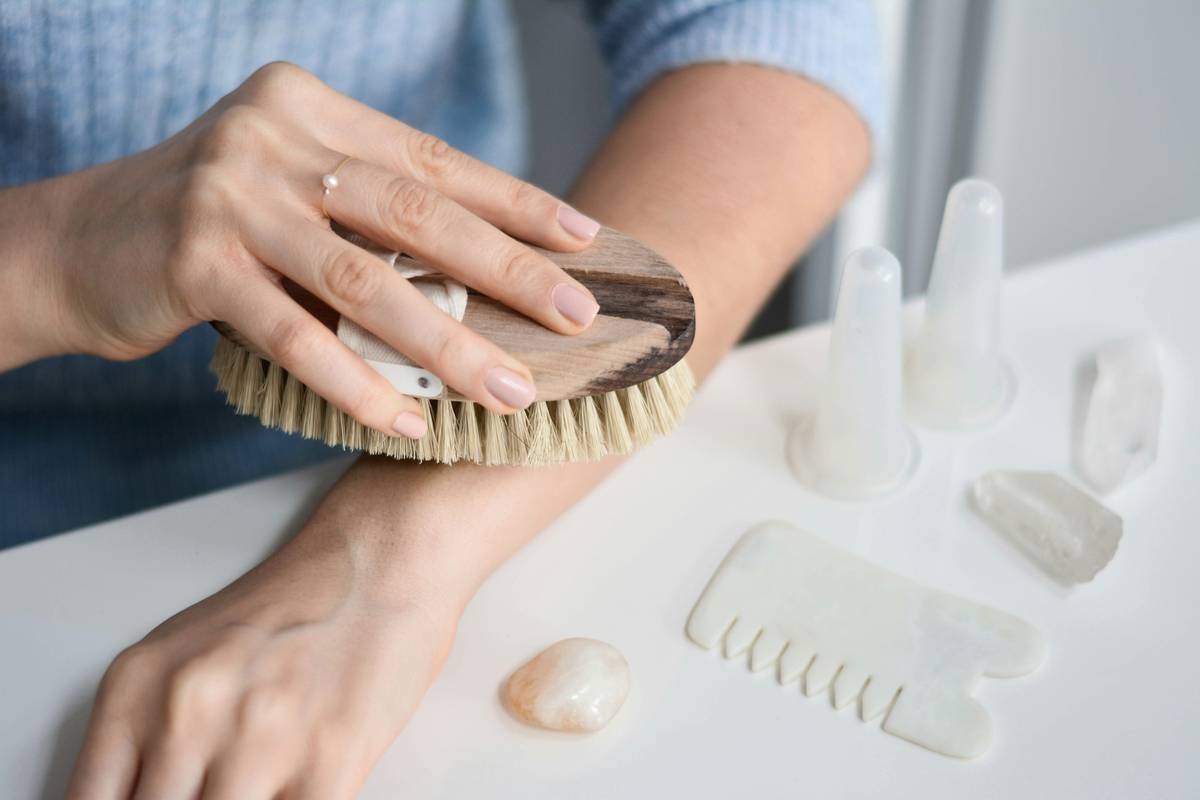
A natural bristle brush with a long handle (for hard-to-reach spots like your back) and soft-to-medium stiffness. Avoid synthetic bristles—they don’t conduct static electricity as effectively, which may reduce microcirculation benefits (Journal of Cosmetic Dermatology, 2020).
When should I do it?
Before your morning shower, on completely dry skin. Never after sun exposure or on irritated areas.
Step-by-step technique:
- Start at your feet. Use wide, upward strokes toward your groin (where inguinal nodes live). 5–7 passes per area.
- Move to legs. Brush thighs upward toward the pelvis—never circular or downward.
- Arms next. Begin at hands, brush up toward armpits (axillary nodes). Light pressure!
- Torso last. Brush abdomen in clockwise circles (follows colon flow), then chest toward collarbones (supraclavicular nodes).
- Never brush face, breasts, or broken skin.
Optimist You: “This routine will make me glow from within!”
Grumpy You: “Ugh, fine—but only if I can do it while half-asleep and still get results.” (You can. Takes 3 minutes.)
Best Practices to Maximize Benefits & Avoid Irritation
Dry brushing done wrong = red, inflamed skin and zero lymph movement. Do it right, and you’ll notice subtle shifts in energy and texture within days.
- Hydrate first. Drink 8 oz of water before brushing—lymph is 95% water.
- Go easy on pressure. If your skin turns red or stings, you’re pressing too hard. Aim for “tingly,” not “angry.”
- Clean your brush weekly. Soak bristles in vinegar + water (1:3 ratio) to kill bacteria.
- Pair with movement. A 10-minute walk post-brushing boosts lymph flow further.
- Don’t overdo it. 4–5x/week max. Daily can compromise your skin barrier.
Terrible tip disclaimer: “Brush hard enough to see red lines—that means it’s working!” NO. That’s capillary damage, not lymph activation. Stop it.
My niche pet peeve rant:
Influencers showing dry brushing over cellulite like it’s a magic eraser. Let’s be real: cellulite is structural (fibrous bands pulling down on fat), not a toxin issue. Dry brushing may temporarily smooth skin via increased circulation—but it won’t “melt” cellulite. Be skeptical of anyone selling that fantasy.
Real Results from Clients (and My Own Routine)
Last winter, “Maya” (34, desk job, frequent flyer) came to me with chronically swollen ankles and fatigue. She’d tried compression socks, magnesium, everything. We added daily dry brushing + 15 mins of rebounding (mini trampoline—gold for lymph!). Within 10 days, her ankle swelling reduced by ~40% (measured via circumference).
My own confessional fail? I once used a stiff boar-bristle brush post-laser hair removal. *Whirrrr*—sounded like my skin screaming. Result: micro-tears and two weeks of flaking. Lesson: match brush firmness to your skin’s current state. Sensitive phase? Go softer.
Consistency beats intensity. Most clients report:
- Noticeably smoother skin texture within 1 week
- Reduced morning puffiness by day 5
- Better product absorption (moisturizers sink in faster)
FAQ: Lymph Drainage Massage and Dry Brushing
Can dry brushing replace professional lymphatic massage?
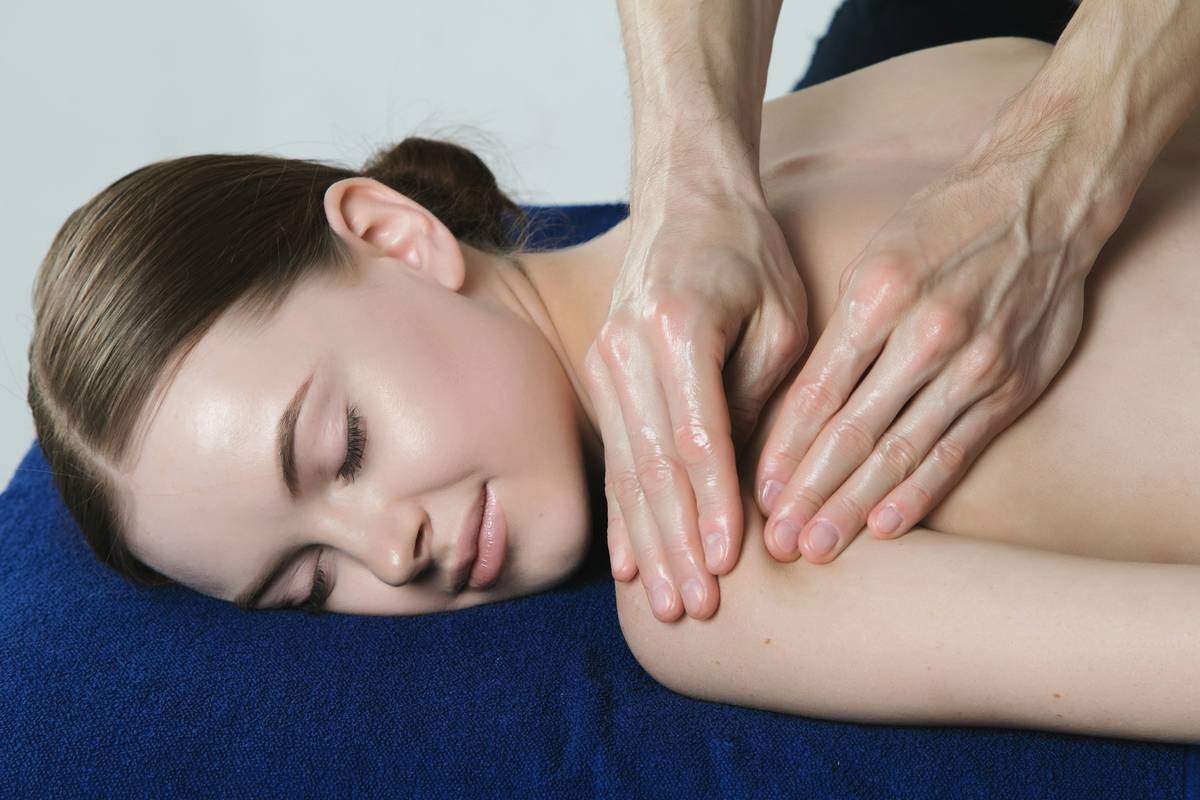
No—but it’s a powerful at-home complement. Manual lymphatic drainage (MLD) by a certified therapist uses precise, feather-light hand movements to redirect fluid. Dry brushing provides broader mechanical stimulation. Think of dry brushing as “maintenance,” MLD as “deep reset.”
How soon will I see results?
Temporary glow and smoother skin: immediately. Reduced puffiness: 3–7 days with consistent practice. Long-term lymph support: 4+ weeks.
Is it safe during pregnancy?
Generally yes—but avoid the abdomen and lower back. Always consult your OB-GYN first, especially if you have varicose veins or high-risk pregnancy.
Can I dry brush if I have eczema or psoriasis?
Only on unaffected areas—and use an extra-soft brush. Never brush over active lesions. When in doubt, skip it.
Conclusion
Lymph drainage massage and dry brushing aren’t trendy gimmicks—they’re time-honored practices grounded in physiology. Done correctly, they support your body’s innate ability to detoxify, reduce stagnation, and enhance skin radiance. Remember: direction, gentleness, and consistency trump force every time.
So grab that brush, respect your lymph nodes’ one-way streets, and give your body the nudge it needs to thrive. And hey—if your cat judges you while you brush, just tell them you’re doing “feline-approved lymph therapy.”
Like a Tamagotchi, your lymphatic system needs daily care—or it ghosts you with puffiness.