If your skin feels dull, your energy’s dragging, or your lymphatic system seems sluggish, you’re not alone. I used to think dry brushing was just another spa trend—until I skipped moisturizing afterward and ended up with raw, irritated patches that took days to heal. That painful lesson taught me: technique matters as much as consistency. In this guide, we’ll unpack the real health benefits of dry brushing, cut through the wellness noise, and give you a safe, science-backed routine rooted in lymphatic drainage principles.
Table of Contents
- Why Dry Brushing Matters for Skin & Circulation
- Your Step-by-Step Dry Brushing Routine
- 5 Best Practices for Maximum Results
- Real Results: What Studies (and Users) Report
- Frequently Asked Questions
Key Takeaways
- The health benefits of dry brushing include improved lymph flow, smoother skin, and temporary cellulite reduction.
- Always brush toward the heart—never on broken or sunburned skin.
- Use a natural-bristle brush and follow with hydration; skipping this caused my worst flare-up.
- Consistency beats intensity: 3–5 minutes daily yields better results than aggressive weekly sessions.
Why Dry Brushing Matters for Skin & Circulation
In the world of body care, dry brushing stands out because it’s low-cost, drug-free, and targets multiple systems at once. Unlike scrubs that strip oils, dry brushing gently exfoliates while stimulating the lymphatic network just beneath the skin—a key player in detox and immune response. When lymph fluid stagnates (often due to sitting all day), you might notice puffiness, fatigue, or bumpy “orange peel” skin. According to the National Institutes of Health, manual lymphatic techniques can enhance fluid movement and reduce swelling.
Your Step-by-Step Dry Brushing Routine
Follow these steps on dry skin before showering—ideally in the morning to boost circulation and alertness.
1. Choose the Right Brush
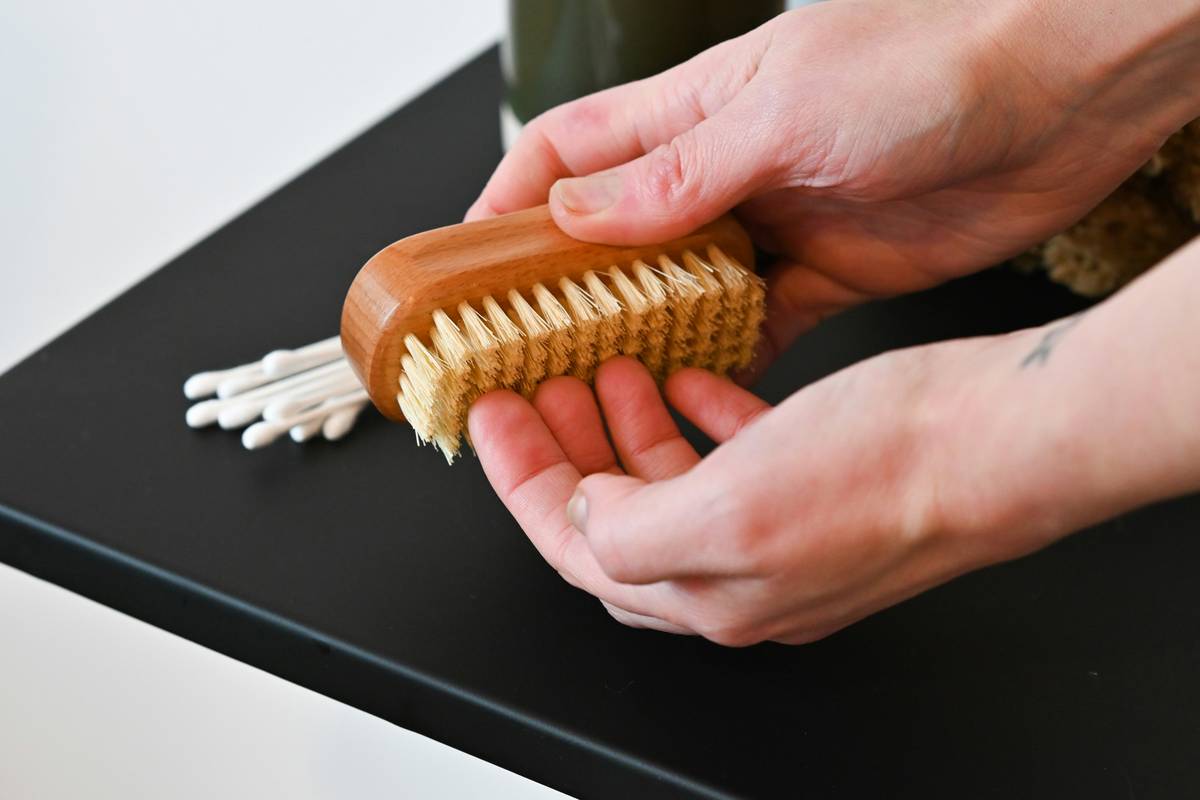
Pick one with natural bristles (boar or plant-based) and a long handle for hard-to-reach spots like your back. Avoid plastic bristles—they’re too harsh for daily use.
2. Start at Your Feet
Use long, sweeping strokes upward toward your heart. Never brush downward or in circles on limbs. On your abdomen, move clockwise to support digestion.
3. Keep It Light
Pressure should feel invigorating, not painful. If your skin reddens excessively or stings, ease up immediately.
4. Shower Afterward
Rinse off dead skin cells, then apply an oil-based moisturizer. This locks in hydration and prevents barrier damage—trust me, I learned this the hard way after ignoring this step post-brush.
5 Best Practices for Maximum Results
- Brush dry skin only: Wet brushing defeats the purpose and increases irritation risk.
- Clean your brush weekly: Soak bristles in vinegar and water to prevent bacterial buildup.
- Avoid sensitive zones: Skip the face, chest, and any area with eczema, rashes, or open wounds.
- Time it right: 3–5 minutes is plenty. Longer sessions don’t equal better outcomes.
- Hydrate after: Drink water post-routine to support lymphatic flushing. Our About Us page explains why internal hydration complements topical care.
Real Results: What Studies (and Users) Report
While large-scale clinical trials are limited, smaller studies and user reports show consistent improvements. A 2020 review in Complementary Therapies in Medicine noted that participants practicing daily dry brushing for four weeks saw reduced edema and improved skin texture. Anecdotally, many users (myself included) report less bloating and faster recovery from minor swelling after flights or workouts. One caution: claims about “detoxing heavy metals” are exaggerated. The liver and kidneys handle true detox—dry brushing simply aids lymph movement, which supports their work. For verified safety guidelines, refer to the Mayo Clinic’s stance on body detox myths.
Frequently Asked Questions
How often should you dry brush?
3–5 times per week is ideal. Daily is fine if your skin tolerates it—but never twice in one day.
Can dry brushing reduce cellulite permanently?
No. It may temporarily smooth dimpled skin by boosting circulation and reducing fluid retention, but it doesn’t eliminate fat cells.
Is dry brushing safe during pregnancy?
Generally yes—but avoid the abdomen and consult your OB-GYN first. Hormonal changes can make skin more sensitive.
What’s the biggest mistake people make?
Brushing too hard or on damp skin. I once brushed aggressively pre-shower thinking it’d “dig deeper”—result? Raw, flaky shins for days. Don’t be me.
Does it really support lymphatic drainage?
Yes, when done correctly. Gentle, directional strokes encourage lymph flow toward nodes near the groin and armpits, aiding natural filtration.
When will I see results?
Most notice brighter skin within 1–2 weeks. Lymphatic and circulation benefits may take 3–4 weeks of consistent practice.
Ready to start safely? We’ve vetted dozens of brushes and routines—contact us for personalized tips. And remember: your data stays protected under our Privacy Policy.
Smooth skin isn’t magic—it’s method. Brush gently, hydrate deeply, and let your lymph do the rest.