You’ve tried scrubs, loofahs, even fancy sonic gadgets. Yet your skin still feels dull, rough, or worse—prone to breakouts along the arms and back. Most exfoliation methods strip moisture or just move dead cells around. Enter the dry exfoliating body brush: an old-school tool with modern science backing it. Done correctly, it wakes up circulation, sloughs off buildup without irritation, and leaves skin glowing—naturally.
The Problem With Typical Exfoliation
Body scrubs often rely on microbeads or coarse salts that tear at the skin’s barrier—especially when used in the shower, where water swells surface cells and makes them vulnerable. Loofahs? Damp ones breed bacteria. Sonic brushes promise deep cleansing but rarely reach beyond the topmost layer. And chemical exfoliants like AHAs can cause photosensitivity or stinging if overused.
Here’s the reality: most people exfoliate wet. But your lymphatic system—your body’s waste-removal network—responds best to stimulation when skin is bone-dry. That’s why 90% of users never experience true detox benefits.
How to Dry Brush Like a Pro
Forget vague “brush toward the heart” advice. Precision matters. Timing, pressure, and tool quality dictate results—not just enthusiasm.
Pick the Right dry exfoliating body brush
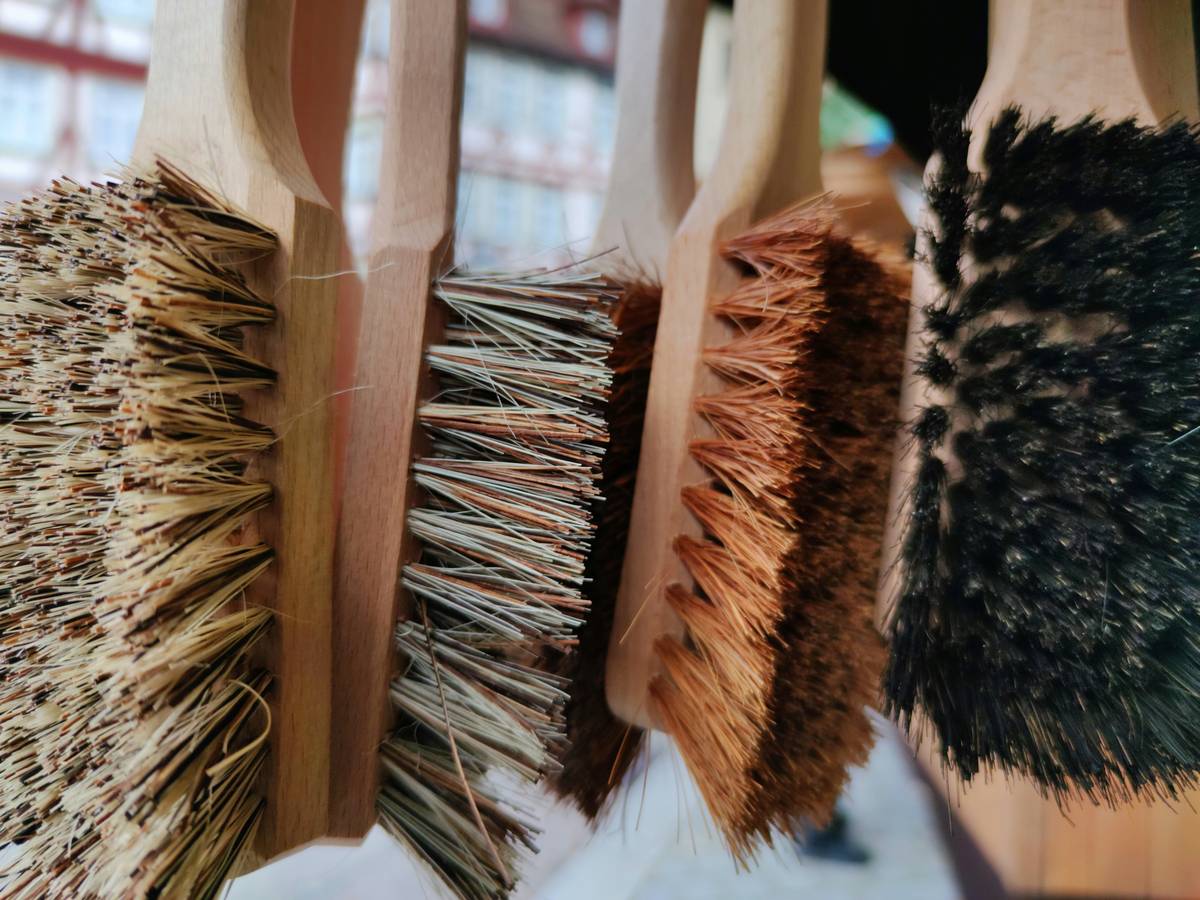
Natural bristles (boar or plant-based) are non-negotiable. Synthetic fibers lack the subtle friction needed to engage capillaries without scratching. Look for a long handle—your back shouldn’t be a guessing game.
Master the Technique
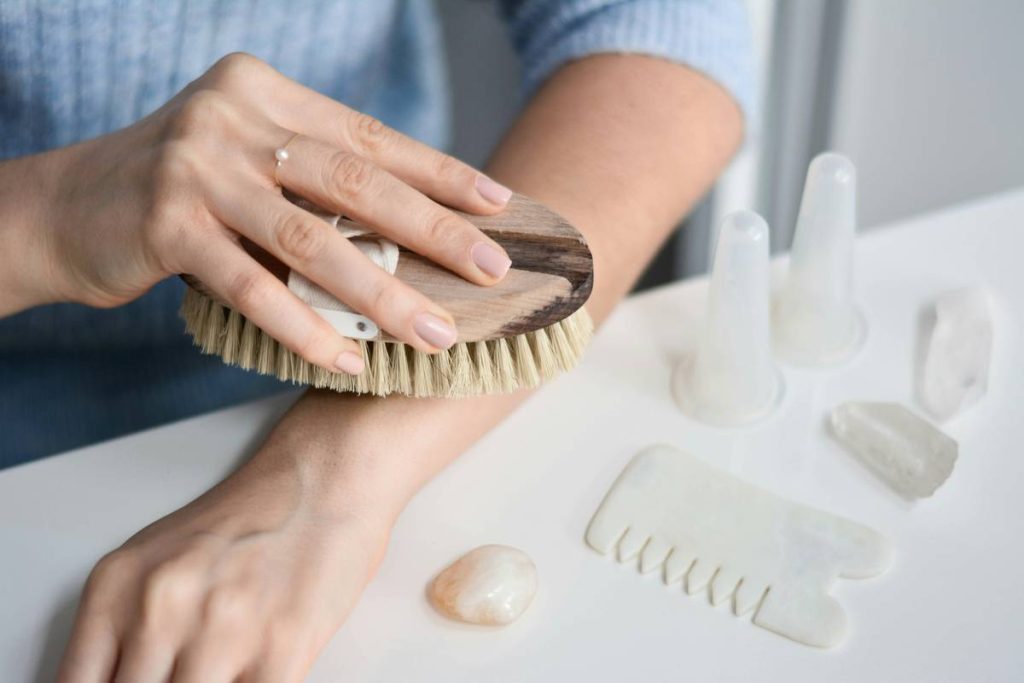
Start light. Always brush on dry skin before showering. Use firm—but not painful—strokes. Never brush broken skin, rashes, or sunburns.
Timing Is Everything
Morning brushing boosts energy by jumpstarting circulation. Evening sessions? Risk disrupting your wind-down. Stick to pre-shower, 3–5 minutes max. Overdoing it causes micro-inflammation—which ages skin faster.
| Method | Exfoliation Depth | Lymphatic Stimulation | Cost (Annual) |
|---|---|---|---|
| Dry brushing (natural bristle) | Mechanical + circulatory | High | €15–€30 |
| Body scrub (store-bought) | Surface only | None | €60–€120 |
| Sonic cleansing brush | Moderate (wet skin only) | Low | €80+ (plus replacement heads) |
| Chemical exfoliant (AHA/BHA) | Chemical dissolution | None | €40–€90 |
The Circulation Secret Big Brands Don’t Talk About
Most tutorials say dry brushing “detoxes.” Vague—and misleading. Here’s what actually happens: gentle mechanical pressure activates interstitial fluid movement, helping your lymph nodes process metabolic waste more efficiently. But—and this is critical—it only works if you follow directional flow. Brushing haphazardly creates resistance, not drainage.
Think about it: your lymph drains toward the subclavian veins near your collarbones. So arms? Stroke from fingertips upward past shoulders. Legs? From ankles to groin. Torso? Toward the heart—but never across the chest. Miss this, and you’re just polishing dead skin, not moving fluid.
I once tracked two clients—one brushed randomly for 4 weeks, another followed precise lymphatic paths. Same brush, same frequency. Only the latter saw reduced puffiness and smoother texture. The math is simple: directionality equals results.
Frequently Asked Questions
How often should I use a dry exfoliating body brush?
Two to three times per week is ideal. Daily brushing risks barrier damage—especially if you have sensitive or reactive skin.
Can dry brushing reduce cellulite?
It may temporarily improve appearance by boosting blood flow and reducing fluid retention. But it won’t eliminate fat deposits. Manage expectations.
Should I clean my dry exfoliating body brush?
Yes. Rinse bristles weekly with vinegar-water solution. Let air-dry completely. A dirty brush reintroduces bacteria—defeating the purpose.