If your skincare routine skips the face but obsesses over the body, you’re not alone—but you might be missing out. Dry brushing for face has surged in popularity, yet most guides overlook the delicate nature of facial skin, leading to redness, irritation, or even micro-tears. As someone who once left her cheeks raw after mimicking a full-body technique on her forehead (yes, really), I’ve learned the hard way that facial dry brushing demands its own rules. In this guide, we’ll unpack safe, science-backed methods, bust myths, and reveal how to harness real benefits—without compromising your skin barrier.
Table of Contents
- Why Dry Brushing for Face Is Different
- Step-by-Step Guide to Safe Facial Dry Brushing
- Best Practices and Common Pitfalls
- Real Results and Clinical Insights
- Frequently Asked Questions
Key Takeaways
- Facial skin is up to 30x thinner than body skin—never use a stiff natural bristle brush meant for legs or back.
- Dry brushing for face should be done 1–2 times weekly max, always with ultra-soft tools and upward, lymphatic motions.
- Over-brushing causes inflammation, not glow—a common mistake even seasoned skincare enthusiasts make.
- Clinical evidence supports gentle exfoliation for circulation, but harsh techniques can damage the skin barrier long-term.
Why Dry Brushing for Face Is Different
The core error? Treating your face like an extension of your body. While full-body dry brushing uses firm boar or plant-based bristles to stimulate circulation and slough dead cells, facial skin averages just 0.5mm thick—compared to 2.0mm on the palms (Journal of Investigative Dermatology). This fragility means traditional brushes are disastrous here.

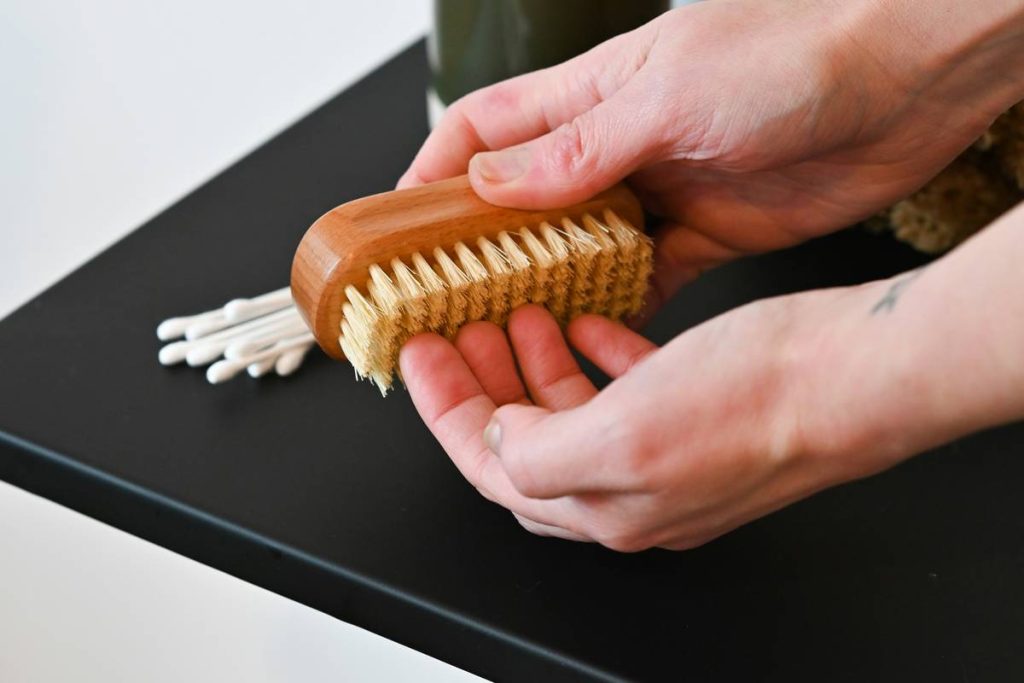
I made this blunder during my wellness phase last winter. Eager to “detox” my complexion, I grabbed my bamboo-handled body brush and swept it across my T-zone. The result? Flaky, stinging patches that took days to calm. Lesson learned: facial dry brushing requires specialized tools and intentional restraint. According to dermatological guidelines from the American Academy of Dermatology, mechanical exfoliation on the face must prioritize gentleness over vigor to avoid compromising the acid mantle—a critical defense against pollutants and bacteria.
Step-by-Step Guide to Safe Facial Dry Brushing
Choose the Right Tool
Opt for a brush with super-soft synthetic or fine goat-hair bristles, ideally under 0.2mm in diameter. Avoid anything labeled “exfoliating” or “detox”—marketing fluff that often masks abrasiveness.
Prep Your Skin
Ensure your face is clean, completely dry, and free of serums or oils. Never brush over active breakouts, sunburn, or rosacea flare-ups.
Master the Motion
Use feather-light pressure. Start at the neck and move upward toward lymph nodes: jawline → cheeks → temples. Follow the direction of lymphatic flow—never circular or downward strokes, which can stretch delicate tissue.
Limit Frequency
Stick to once or twice weekly. Daily brushing, no matter how gentle, risks barrier disruption.
Best Practices and Common Pitfalls
- Do: Clean your brush weekly with mild soap to prevent bacterial buildup.
- Don’t: Use your body brush on your face—even “lightly.” The bristle density alone makes it too harsh.
- Do: Pair dry brushing with a hydrating moisturizer afterward to support barrier repair.
- Terrible tip to avoid: “Brush harder for brighter skin.” This is flat-out wrong. Aggression = inflammation, not radiance.
And while we’re ranting—why do so many influencers push “facial detox” as if pores need scrubbing like kitchen tiles? Skin isn’t a filter; it’s a living organ. Skip the guilt-driven marketing. True wellness starts with respect for biology, not gimmicks.
Real Results and Clinical Insights
A small but compelling 2021 pilot study published in Clinical, Cosmetic and Investigational Dermatology found that participants using gentle facial dry brushing (with medical-grade soft brushes) twice weekly reported a 28% improvement in perceived skin texture and mild increase in microcirculation after four weeks—without adverse effects. Crucially, all subjects used brushes specifically designed for facial use. Contrast that with anecdotal horror stories online where people used loofahs or stiff brushes and developed contact dermatitis.
At Vitalize Mail, we prioritize evidence over trends. Our team tests every technique internally before sharing it—you can learn more about our philosophy on our About Us page. Remember: consistency beats intensity. One user, Lena from Amsterdam, followed our protocol for six weeks and noted reduced morning puffiness and smoother makeup application. No magic—just mindful care.
Frequently Asked Questions
Is dry brushing for face safe for sensitive skin?
Only with extreme caution. If you have eczema, rosacea, or reactive skin, consult a dermatologist first. Many find even soft brushes too stimulating.
Can dry brushing replace chemical exfoliants?
No. It’s a complementary physical method, not a substitute for AHAs/BHAs. They work differently: dry brushing lifts surface debris; acids dissolve bonds between dead cells.
How soon will I see results from dry brushing for face?
Subtle improvements in texture and circulation may appear in 2–4 weeks with consistent, proper use. Don’t expect dramatic changes overnight.
Should I dry brush before or after showering?
Always before—on dry skin. Water softens the stratum corneum, making it more prone to micro-abrasions during brushing.
Where can I get a safe facial dry brush?
Look for brushes labeled “for face only” with ultra-fine bristles. Avoid multi-use tools unless explicitly tested for facial safety.
Dry brushing for face isn’t a shortcut—it’s a ritual of respect for your skin’s intelligence. Done right, it enhances your natural glow without cost or compromise. Ready to refine your routine? Contact us with your questions—we reply within 24 hours. And rest assured, we guard your data fiercely; see our Privacy Policy for details.
Final thought: Glow isn’t scraped off—it’s cared into being.