Ever stepped out of the shower only to feel rough, lackluster skin staring back at you? You’re not alone. For years, I chased glowing skin with expensive lotions and scrubs—until I discovered dry brushing your body. It’s an ancient technique making a serious comeback in modern wellness circles, promising smoother skin, better circulation, and even reduced puffiness. But here’s the catch: do it wrong, and you’ll end up red, irritated, or worse. In this guide, I’ll walk you through everything you need to know—based on personal trial, error, and expert-backed insights—so you can reap the real benefits without the burn.
Table of Contents
- Why Dry Brushing Matters for Skin Health
- Step-by-Step Guide to Safe & Effective Dry Brushing
- Top Tips and Best Practices
- Real Results: What the Research (and My Skin) Shows
- Frequently Asked Questions
Key Takeaways
- Dry brushing your body may support lymphatic drainage and exfoliation when done correctly.
- Always brush toward the heart using light pressure—never on wet or broken skin.
- Use a natural bristle brush; synthetic fibers can be too harsh.
- Limit sessions to 5–10 minutes, 2–3 times per week max.
- Moisturize after brushing to lock in hydration and soothe the skin.
Why Dry Brushing Matters for Skin Health
In our “more is better” beauty culture, we often overlook simple, time-tested rituals. Dry brushing your body dates back centuries—from Ayurvedic traditions to Scandinavian saunas—and remains relevant because it addresses core skin needs: dead cell buildup, poor circulation, and sluggish detox pathways. As we age or spend hours sitting, our lymphatic system (which lacks a pump like the heart) can stagnate. Gentle brushing may help stimulate lymph flow, according to the National Center for Biotechnology Information.
I once made a rookie mistake: I used a stiff kitchen brush (don’t laugh—it happened!) right after shaving. The result? Angry red streaks that lasted two days. Lesson learned: tool choice and timing are non-negotiable.
Step-by-Step Guide to Safe & Effective Dry Brushing
Follow these steps before your shower for best results:
1. Choose the Right Brush
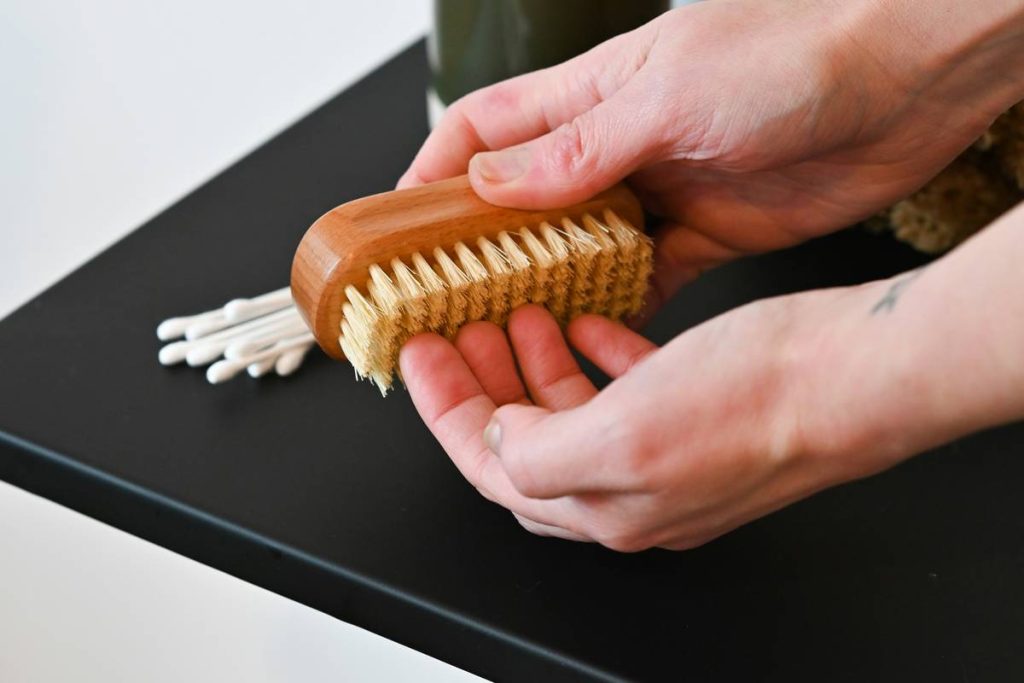
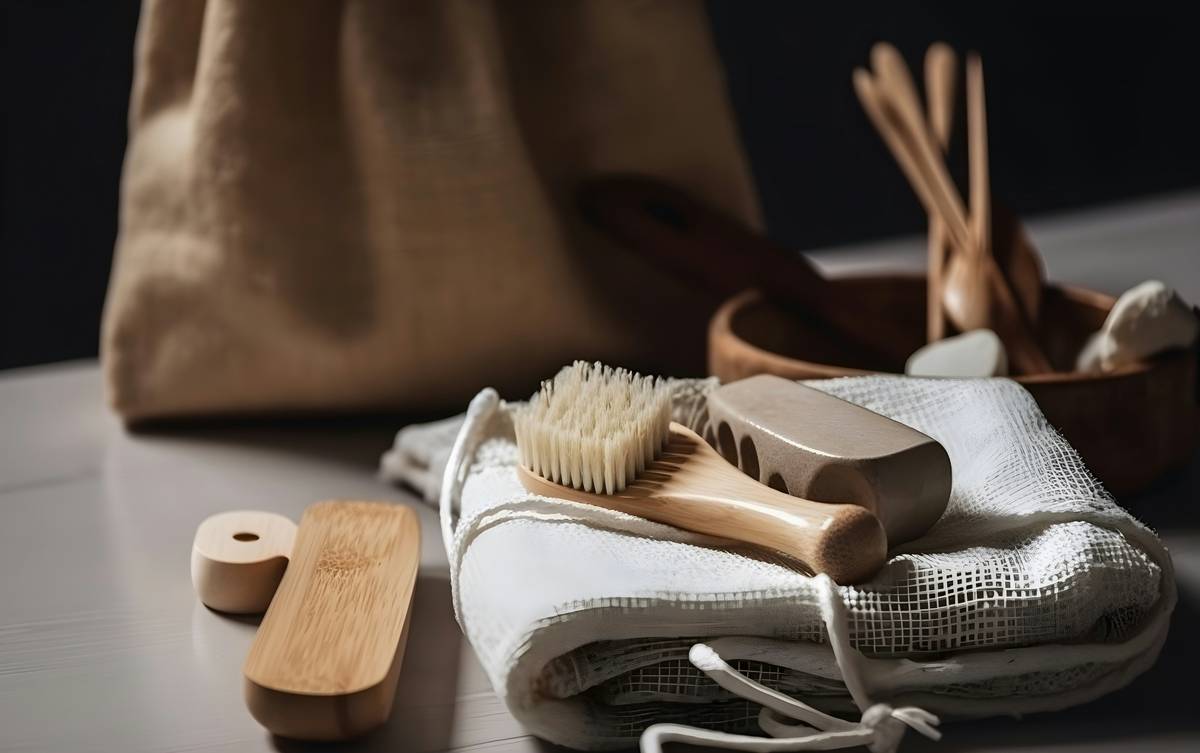
Opt for a long-handled brush with soft, natural bristles (like boar or plant-based fibers). Avoid plastic or metal bristles—they’re too abrasive for daily use.
2. Start Dry, Always
Your skin must be completely dry. Water softens the skin, making it more prone to micro-tears. Never brush in the shower or on damp skin.
3. Brush Toward the Heart
Use long, sweeping strokes moving upward—from feet to thighs, hands to shoulders, torso toward the chest. This aligns with lymphatic flow direction.
4. Go Light on Pressure
You’re not sanding wood! Use gentle pressure—just enough to feel slight tingling, never pain. Sensitive areas (chest, inner thighs) need feather-light strokes.
5. Shower & Moisturize Afterward
Rinse off loosened debris, then apply oil or cream while skin is still damp. This seals in moisture and calms any residual redness.
Top Tips and Best Practices
- Frequency: 2–3 times per week is plenty. Overdoing it causes irritation.
- Replace your brush: Every 6–12 months, or sooner if bristles fray.
- Avoid these zones: Broken skin, rashes, sunburns, or active acne.
- One terrible tip to ignore: “Brush harder for better results.” Nope—aggression damages your skin barrier. Consistency beats intensity.
- Clean your brush: Rinse weekly with vinegar and water to prevent bacteria buildup.
And a quick rant: Why do so many influencers push “dry brushing for cellulite reduction” as a miracle fix? The truth? There’s zero robust evidence it eliminates cellulite long-term. At best, it may temporarily improve skin texture by boosting blood flow—but let’s stop selling false hope. Real wellness is honest wellness.
Real Results: What the Research (and My Skin) Shows
While large-scale human trials are limited, smaller studies and dermatological consensus support dry brushing for mechanical exfoliation and circulation. A 2019 review in the Journal of Clinical and Aesthetic Dermatology noted that regular exfoliation improves skin barrier function and radiance.
Personally, after 8 weeks of consistent (and correct) dry brushing your body, I noticed fewer ingrown hairs, softer elbows, and less morning puffiness—especially around my ankles. It’s not magic, but it’s a reliable tool in my self-care toolkit. And remember, results vary by skin type, technique, and consistency. That’s why we emphasize safety at Vitalize Mail—because real care starts with respect for your body’s limits.
Frequently Asked Questions
How often should I dry brush my body?
Stick to 2–3 times per week. Daily brushing can compromise your skin barrier, leading to dryness or sensitivity.
Can dry brushing help with lymphatic drainage?
Potentially, yes. Light, directional brushing may support lymph movement, though more clinical research is needed. It’s often recommended by integrative therapists alongside hydration and movement.
Is it safe to dry brush if I have sensitive skin?
Yes—with caution. Use ultra-soft bristles, minimal pressure, and skip inflamed areas. Patch-test first on a small zone like your calf.
Should I moisturize after dry brushing?
Absolutely. Post-brush moisturizing locks in hydration and soothes the skin. Oils like jojoba or almond work beautifully.
Can I share my dry brush with others?
No. Brushes collect dead skin and oils—sharing risks bacterial or fungal transfer. Keep yours personal (and check our Privacy Policy if you ever share skincare data online).
When will I see results from dry brushing your body?
Most notice smoother texture within 2–4 weeks of consistent use. Circulation and puffiness improvements may appear sooner—sometimes after just one session.
Dry brushing your body isn’t a cure-all—but done right, it’s a simple, empowering ritual that honors your skin’s natural rhythm. Ready to try it safely? We’d love to hear how it goes—reach out anytime. And remember: glow comes from gentleness, not grit.
Soft strokes, steady rhythm, skin that sings.