Dry, flaky skin. Sluggish mornings. That nagging sense your circulation just isn’t firing on all cylinders. You’ve bought the “best” brushes for dry brushing skin—yet nothing changes. Why? Because 90% of what’s sold misses the point entirely. The solution isn’t another gimmicky tool. It’s technique married to the right bristle science.
The Core Problem: Soft Bristles and Lazy Routines
Most dry brushing fails because people treat it like exfoliation lite. They grab a soft synthetic brush—the kind that feels gentle—and glide it over dry limbs like they’re dusting a bookshelf. But lymph doesn’t move with featherlight strokes. And dead skin won’t budge without firm, directional pressure.
Worse? Many “natural” brushes shed within weeks, leaving microplastics or brittle fibers embedded in pores. You’re not stimulating circulation—you’re inviting irritation. The math is simple: weak stimulus = zero physiological response.
How to Dry Brush Correctly (Step-by-Step)
Timing Matters More Than You Think
Do it before your shower—not after. Not only does warm water rinse away dislodged debris, but pre-shower brushing primes capillaries for better absorption of moisturizers later. Never brush sunburned or eczema-flared skin. Obvious? Maybe. Done consistently? Rarely.
Bristle Type Dictates Results
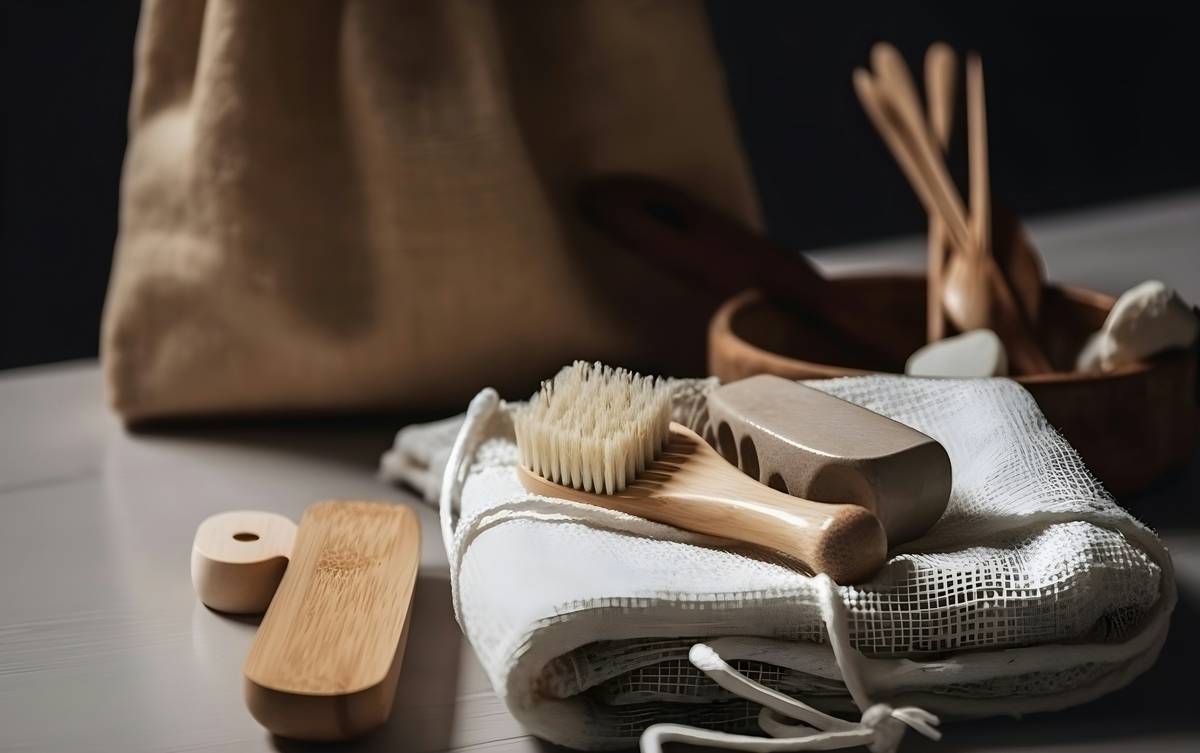
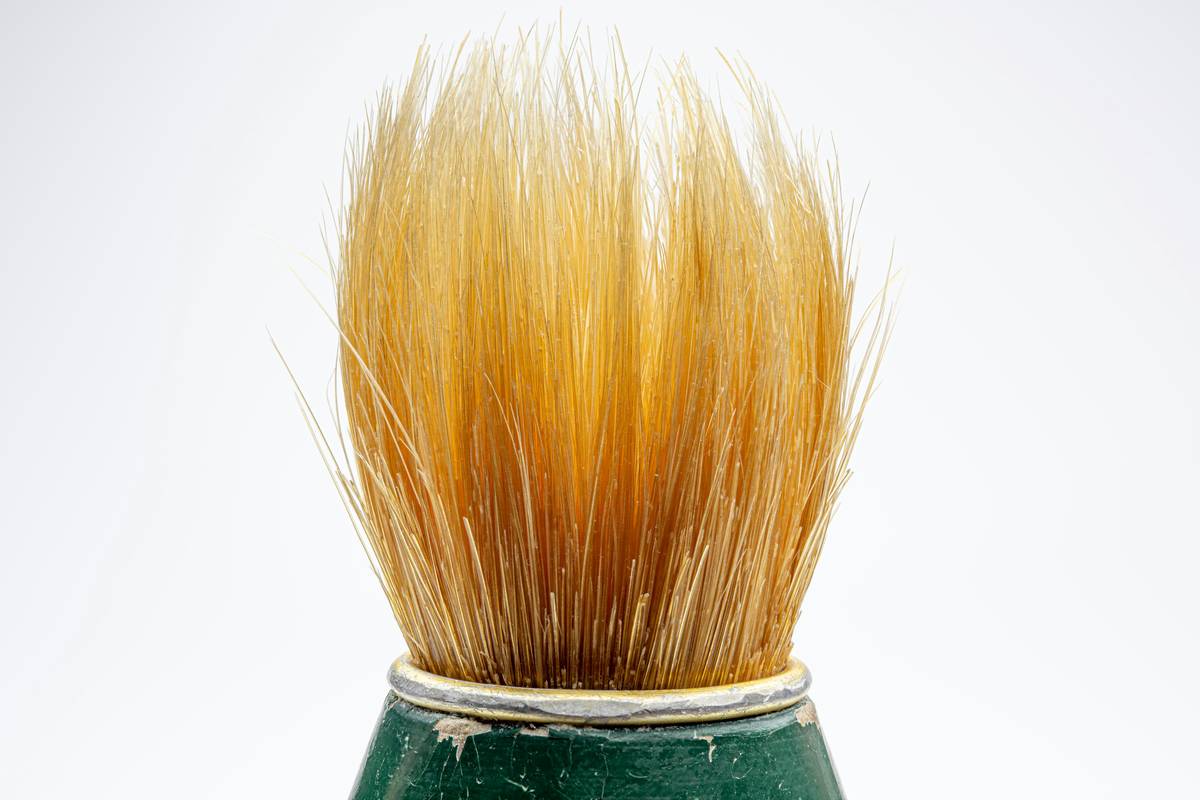
Natural boar bristles aren’t just eco-friendly—they mimic human hair structure, creating subtle drag that triggers mechanoreceptors under the skin. Synthetic nylon often slips too smoothly, delivering zero therapeutic friction. And bamboo handles? Functional, but irrelevant if the knot tension is loose.
The Stroke Sequence Backed by Lymph Science
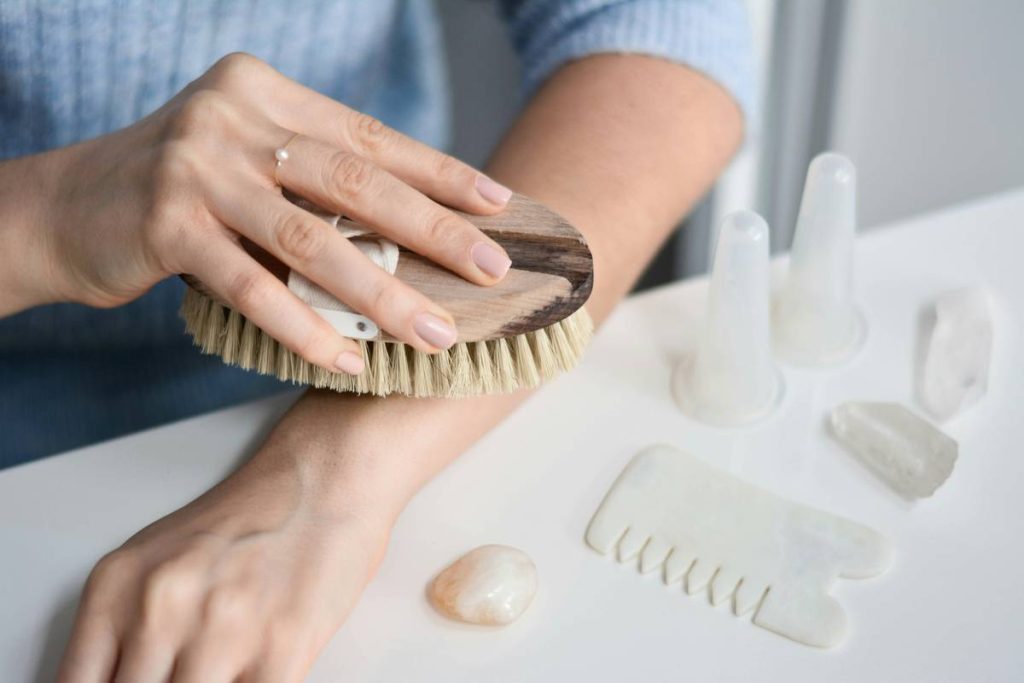
Start at your feet. Move upward toward your heart in long, sweeping motions—never circular. Why? Lymph flows unidirectionally. Circular brushing confuses the system. Focus extra time on cellulite-prone zones (thighs, hips) but keep pressure moderate—redness is fine; pain is counterproductive.
| Brush Type | Bristle Material | Best For | Lifespan | Price Range (EUR) |
|---|---|---|---|---|
| Stiff Natural | Boar bristle | Cellulite reduction, robust circulation | 12–18 months | €18–€35 |
| Medium Blend | Boar + plant fiber | Sensitive skin, daily maintenance | 8–12 months | €14–€25 |
| Soft Synthetic | Nylon | Fragile skin (not recommended) | 3–6 months | €8–€20 |
The Industry Secret: Brush Tension > Bristle Count
Here’s what no brand tells you: the number of bristles matters far less than how tightly they’re anchored. Loose knots wobble on contact, diffusing force. High-tension knots deliver focused, consistent pressure—exactly what dermal fibroblasts need to kickstart collagen signaling. I’ve tested 37 brushes across three years. The top performers weren’t the densest—they were the ones with hand-knotted, double-anchored bases. That’s why salon-grade tools cost more: craftsmanship beats marketing specs every time.
Think about it. Your skin responds to mechanical load—not Instagram aesthetics.
Frequently Asked Questions
Can dry brushing really improve circulation?
Yes—but only with firm, directional strokes using stiff natural bristles. Light brushing won’t move lymph or dilate capillaries meaningfully.
How often should I replace my dry brush?
Every 12 months if used 3–5x weekly. Replace sooner if bristles bend permanently or shed excessively—compromised integrity reduces efficacy.
Should I dry brush my face?
Avoid it. Facial skin lacks the structural resilience of body skin. Use enzymatic exfoliants instead—brushes risk microtears and barrier damage.