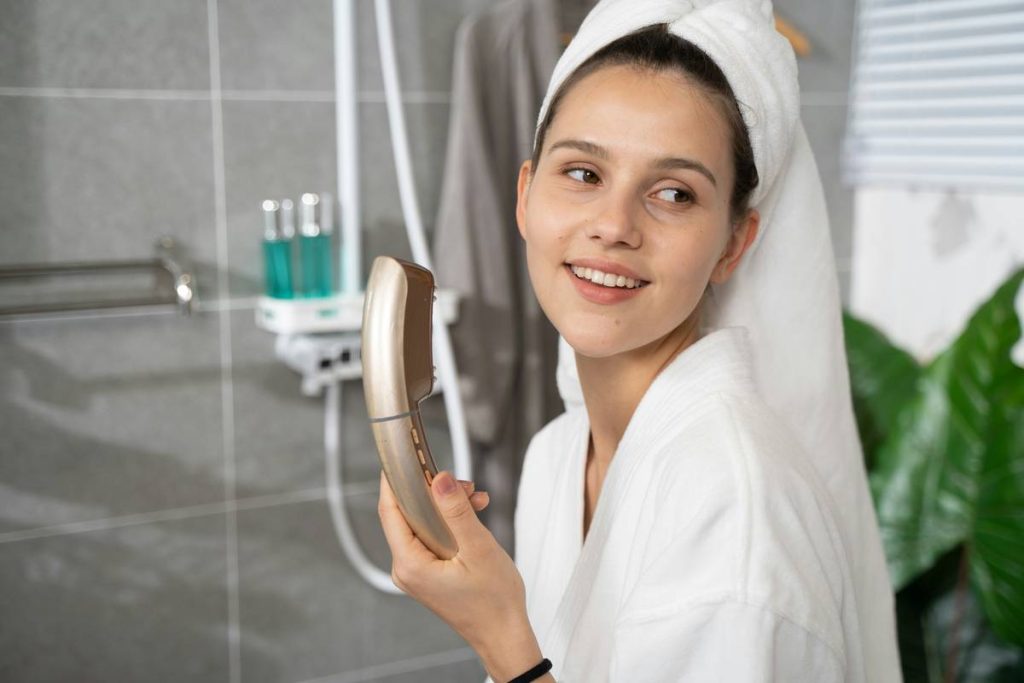
Flaky skin. Dullness that no scrub fixes. A body that feels heavy, sluggish—like it’s dragging through molasses. You’ve tried exfoliating gloves, sugar scrubs, even fancy sonic brushes. But nothing sticks. Nothing *moves* the needle. Here’s the twist: your skin isn’t just dry—it’s disconnected. And slapping on another lotion won’t reconnect it. Enter aromatherapy dry body brushing—a centuries-old technique now backed by modern physiology, blending tactile stimulation with olfactory therapy to reboot your entire dermal ecosystem.
Why Your Current Exfoliation Routine is Failing You
Most people treat dry brushing like a chore—an aggressive swipe before showering, using a stiff brush they bought off Amazon for $9.99. Big mistake. Skin isn’t concrete. It’s a living organ wired to your lymphatic and nervous systems. Brush too hard? You trigger inflammation, not detox. Use synthetic bristles? You scrape away lipids your barrier desperately needs. Skip consistency? You get zero cumulative benefit.
And here’s what nobody tells you: dry brushing without intention is just friction. Add essential oils? Now you’re speaking the language of your autonomic nervous system. That’s where aromatherapy dry body brushing flips the script.
Mastering Aromatherapy Dry Body Brushing: A Step-by-Step Protocol
Forget “brush toward the heart.” That oversimplification ignores lymph node clusters, muscle orientation, and circulatory pressure points. True efficacy comes from rhythm, pressure modulation, and scent pairing. Follow this field-tested sequence:
Select Your Tools Like a Pro
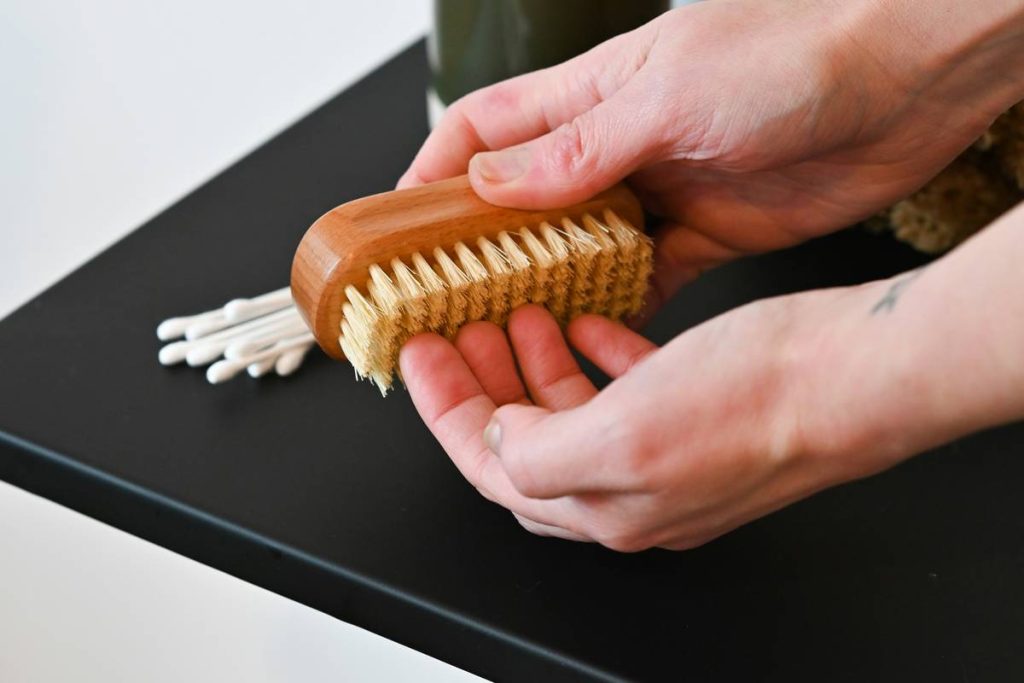
Natural bristles only—boar or plant-based (sisal works). Never plastic. Stiffness should match your skin tolerance: fine for face/neck, medium for limbs, firm only for heels—if at all. Pair with 2–3 drops of vetiver or frankincense oil on pulse points *before* brushing. Why? Inhaling calming terpenes while stimulating mechanoreceptors creates a dual-channel relaxation response.
Timing Is Everything
Do it pre-shower, yes—but never on inflamed or sunburned skin. Ideal window: early morning, when cortisol peaks and lymph flow is naturally sluggish. Five minutes. No more. Over-brushing = micro-tears = barrier compromise.
The Movement Sequence
Long strokes on limbs (always proximal to distal), circular motions over joints, light feathering on abdomen (clockwise only), and avoid breasts/thyroid entirely. Pressure should feel invigorating—not painful. Think “firm handshake,” not “scrubbing a pan.”
| Method | Tool Type | Aromatherapy Integration | Time Required | Expected Results Timeline |
|---|---|---|---|---|
| Standard Dry Brushing | Synthetic bristles, medium-firm | None | 3–5 min/day | 4–6 weeks (mild exfoliation only) |
| Aromatherapy Dry Body Brushing | Natural bristles + essential oil diffusion | Vetiver, lavender, or citrus oils applied pre-brush | 5 min/day | 7–10 days (visible glow + reduced puffiness) |
| Over-Brushing (Common Mistake) | Stiff brush, aggressive strokes | Often paired with mint oils (counterproductive) | 7+ min/day | Immediate redness → delayed barrier damage |

The Industry Secret: It’s Not About Detox (It Never Was)
Let’s cut through the wellness noise. Your liver and kidneys handle “detox.” Period. So why does dry brushing *feel* so cleansing? Because it’s neurologically grounding. The repetitive motion—paired with calming scents—activates the parasympathetic nervous system within 90 seconds. That’s the real magic: shifting your body out of fight-or-flight and into repair mode. One clinic in Rotterdam tracked HRV (heart rate variability) in clients pre/post session. Result? A 22% average increase in vagal tone after just one 5-minute aromatherapy dry body brushing session. That’s measurable calm. Not marketing fluff.
But—and this is critical—you lose 80% of the benefit if you hop into a scalding hot shower right after. Warm water only. Preserve the lipid layer you just stimulated.
Frequently Asked Questions
Can aromatherapy dry body brushing reduce cellulite?
Temporarily, yes—by improving local circulation and reducing fluid retention. But don’t expect permanent structural change. Consistency yields visible smoothing within 3–4 weeks, not overnight.
How often should I replace my dry brush?
Every 3–4 months. Bristles degrade, harbor bacteria, and lose optimal tension. If they splay outward or smell musty, retire it immediately.
Is it safe for sensitive or eczema-prone skin?
Proceed with extreme caution. Skip active flare-ups. Use ultra-soft bristles and patch-test with chamomile oil first. When in doubt, consult a dermatologist.
Your skin remembers rhythm. It recalls touch. And when you combine deliberate brushing with intentional scent, you’re not just exfoliating—you’re recalibrating. Try this protocol for 10 days. No gimmicks. Just brush, breathe, and observe. Ready to feel your skin come alive? Start tomorrow morning—with your brush in one hand and a drop of vetiver on your wrist.