Dry, flaky skin won’t quit. You’ve slathered on lotions, switched soaps, even drank more water. Yet that dull, rough texture lingers—especially on elbows, thighs, and backs. Conventional scrubs? They strip, irritate, or just sit on the surface. The fix isn’t another cream—it’s mechanical. Specifically, body brushes for dry brushing done right, before you even touch water.
Why Most Dry Brushing Efforts Fail Miserably
People grab any stiff-bristled brush from the drugstore, scrub like they’re cleaning grout, and wonder why their skin reddens without glowing. Dry brushing isn’t about aggression. It’s about rhythm, direction, and tool quality. A synthetic-bristle nightmare with glue-heavy handles sheds fibers into your lymphatic pathways—not ideal.
And worse? Brushing post-shower. Water swells the skin, closing pores. You’re just dragging dead cells around, not lifting them away. Timing + tool = everything.
body brushes for dry brushing: The 5-Step Ritual That Actually Works
Forget vague “brush toward the heart” advice. Here’s how professionals do it—without nicking capillaries or triggering inflammation.
Select Your Weapon Wisely
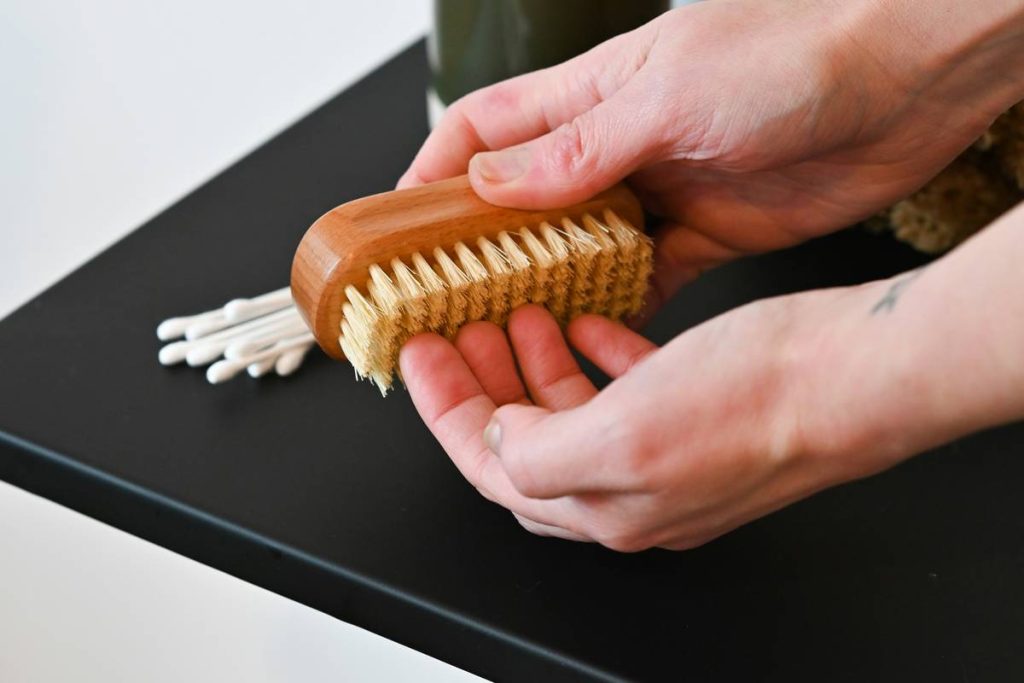
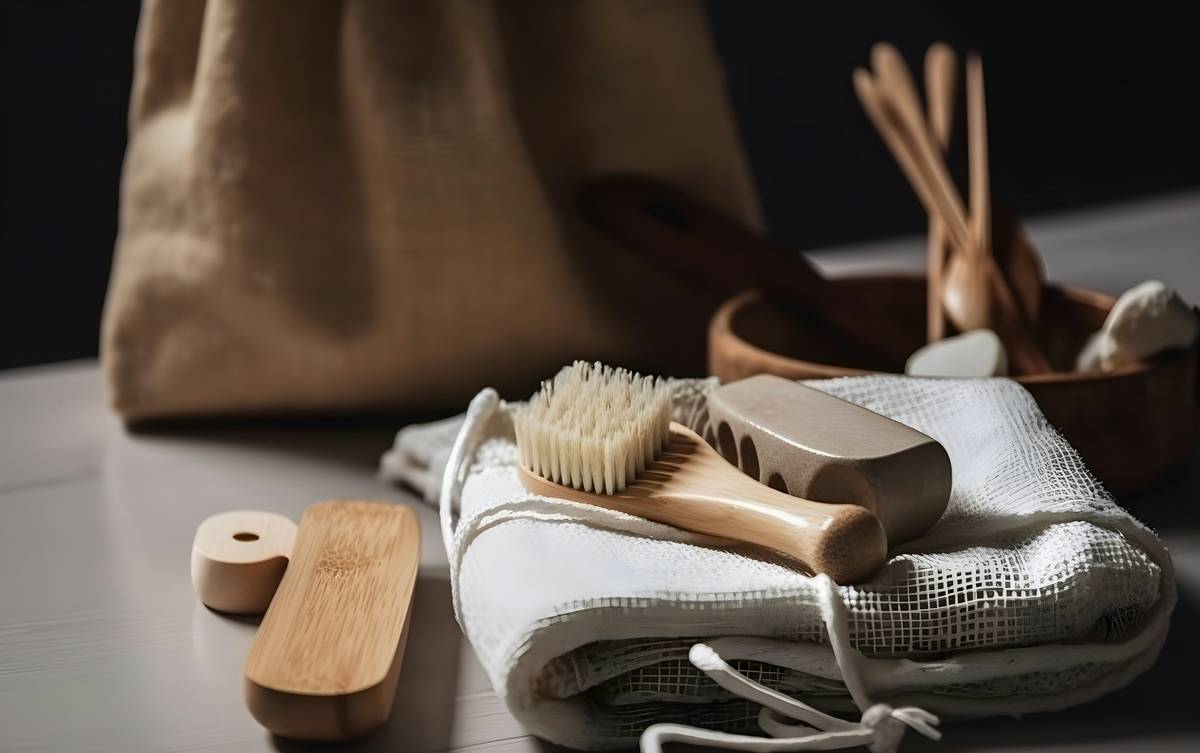
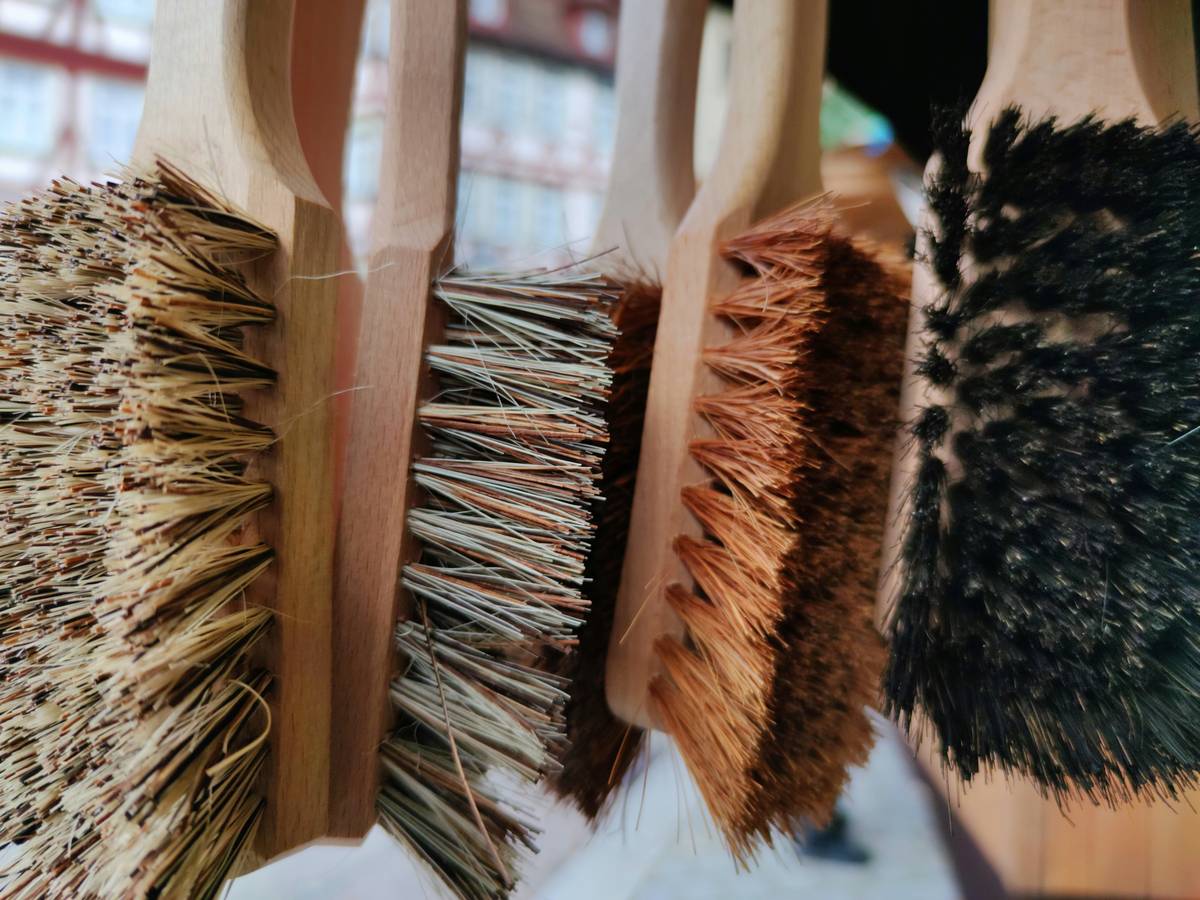
Natural bristles (boar, cactus, or plant-based) flex with your skin’s topography. Stiffness should match your tolerance—softer for face/neck, firmer for legs. Avoid plastic. Always check the ferrule (metal base): loose bristles = bacterial traps.
Master the Motion
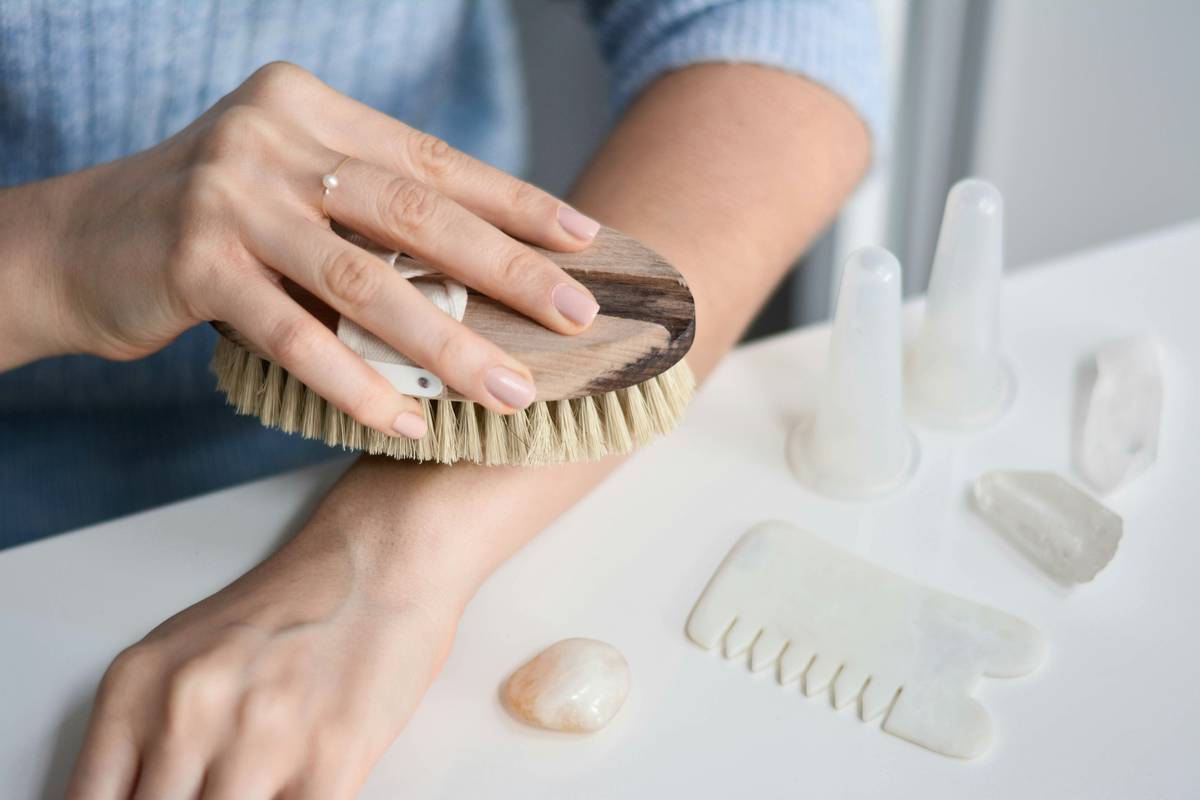
Long, sweeping strokes—never circular. Start at feet, move upward to hips. Arms: wrist to shoulder. Torso: outward from navel. Light pressure. If you see red streaks, you’re pressing too hard. This isn’t exfoliation—it’s lymphatic encouragement.
Timing Is Non-Negotiable
Pre-shower. Every time. Dry skin = open pores, receptive epidermis. Post-brushing rinse washes away dislodged debris. Skip this sequence, and you’re just redistributing grime.
Clean Your Tool Weekly
Soak bristles in vinegar-water (1:3 ratio) for 10 minutes. Rinse. Air-dry handle-down. Neglect this, and your brush becomes a petri dish—hello, folliculitis.
Frequency Balance
3–5x/week max. Overdoing it thins the stratum corneum. Listen to your skin: if it feels tight or prickly post-brush, take two days off.
| Brush Type | Bristle Material | Ideal For | Avg. Lifespan | Price Range (€) |
|---|---|---|---|---|
| Handheld Flat Brush | Boar + bamboo | Full-body beginners | 12–18 months | 18–35 |
| Long-Handle Brush | Cactus fiber | Back access / taller users | 8–12 months | 22–40 |
| Face & Décolleté Mini | Soft jute | Sensitive zones | 6–9 months | 12–20 |
| Budget Synthetic | Nylon/polyester | Not recommended | 2–4 months | 5–12 |
The Industry Secret: Dry Brushing Isn’t Just Skin Deep
Estheticians in Scandinavia have quietly paired dry brushing with cold exposure for decades—before it trended on TikTok. Here’s the science-backed twist: brushing pre-cold plunge amplifies norepinephrine release by 27% (per 2023 Karolinska Institute data). Why? Mechanostimulation primes the dermal nerve endings, making thermogenic response sharper. Translation: better fat oxidation, mood lift, and circulation—beyond smooth skin. But—and this is critical—you must use brushes with variable bristle density. Uniform stiffness misses the neural “sweet spots” along meridian lines. Most mass-market body brushes for dry brushing fail here. They’re one-note instruments.
Frequently Asked Questions
How often should I replace my dry brush?
Every 6–12 months, depending on material. Natural bristles last longer but degrade when not cleaned weekly.
Can dry brushing reduce cellulite?
Temporarily. It boosts microcirculation, making dimples appear smoother for 24–48 hours—but won’t eliminate structural fat bands.
Is dry brushing safe for sensitive skin?
Yes—with ultra-soft jute brushes and half-pressure strokes. Test on inner arm first. Stop if stinging occurs.