Ever wake up feeling puffy, sluggish, and like your skin’s wrapped in a layer of invisible gauze? You chug water, you stretch, you even swap your coffee for celery juice—but that bloated, heavy sensation lingers. What if I told you the secret might be hiding in your linen closet… behind a $12 brush?
In this post, we’re cutting through the #wellnessnoise on dry brushing for lymph drainage. No vague promises. No mystical “detox” jargon. Just science-backed insights, hard-won personal experience (including the time I brushed so hard I looked like I’d lost a fight with a cactus), and clear guidance on how—if done right—dry brushing can genuinely support your lymphatic flow.
You’ll learn:
- Why lymphatic health matters more than you think
- How dry brushing actually interacts with your lymph system
- Step-by-step technique that avoids redness and irritation
- The one terrible tip everyone gives (and why it’s wrong)
- Real results from consistent practice—plus what it won’t fix
Table of Contents
- Why Lymph Drainage Matters (And Why You’re Ignoring It)
- How to Dry Brush for Lymph Drainage: A Foolproof Routine
- 7 Best Practices Backed by Skin Therapists
- Real Results: My 4-Week Dry Brushing Journal
- Dry Brushing FAQs: Answered Honestly
Key Takeaways
- Dry brushing may stimulate superficial lymph vessels but cannot replace medical lymphatic drainage.
- Direction matters: always brush toward the heart to follow lymphatic pathways.
- Use a natural bristle brush with soft-to-medium stiffness—never plastic or wire.
- Consistency > intensity: 5 minutes daily beats a 20-minute session once a week.
- Skip dry brushing if you have active eczema, sunburn, open wounds, or rosacea flare-ups.
Why Lymph Drainage Matters (And Why You’re Ignoring It)
Your lymphatic system is the unsung hero of immunity and fluid balance. Unlike your circulatory system, which has a pump (the heart), your lymph relies on movement—muscle contraction, deep breathing, and yes, gentle external stimulation—to shuttle waste, pathogens, and excess fluid out of tissues.
When lymph flow slows—thanks to sitting all day, dehydration, or chronic stress—you get puffiness, dull skin, and that “blah” fatigue no amount of green smoothies fixes. According to the National Cancer Institute, impaired lymphatic function is linked not just to swelling (lymphedema) but also reduced immune surveillance.
I learned this the hard way after a bout of mono left me swollen and exhausted for months. My functional medicine doctor didn’t reach for pills—she handed me a boar-bristle brush and said, “Start here.” Skeptical? Me too. But within two weeks, my morning ankle puffiness vanished.
How to Dry Brush for Lymph Drainage: A Foolproof Routine
Forget scrubbing like you’re sanding wood. Dry brushing for lymph drainage is about rhythmic, feather-light strokes—not exfoliation warfare.
What tools do I need?
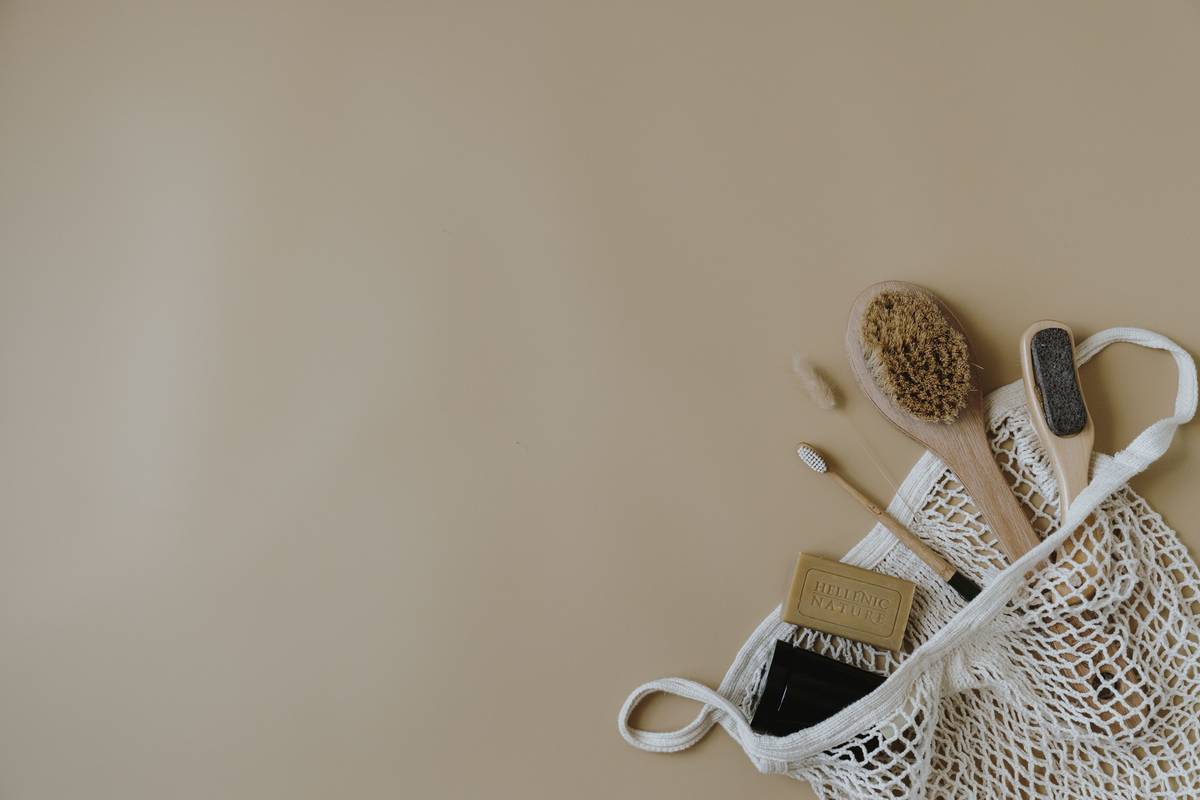
A natural bristle brush with a long handle (for your back!) and medium-firm bristles. Avoid synthetic brushes—they create micro-tears. Look for FSC-certified wood and boar or plant-based bristles (like tampico).
When should I do it?
Pre-shower, on completely dry skin. Never on wet or lotioned skin—that defeats the purpose and increases friction damage.
What’s the correct technique?
- Start at your feet. Use wide, upward strokes toward your heart. 5–10 passes per area.
- Move to legs, then arms. Always stroke toward armpits (axillary nodes) and groin (inguinal nodes)—your major lymph hubs.
- Avoid sensitive zones: breasts, face, broken skin, varicose veins.
- Abdomen? Gentle circles clockwise to support digestion-linked lymph flow.
- Finish with deep breaths—diaphragmatic breathing activates deeper lymphatic pumping.

Optimist You:
“This takes 5 minutes and costs nothing—just consistency!”
Grumpy You:
“Ugh, fine—but only if I can do it while half-asleep and still clutching my cold brew.”
7 Best Practices Backed by Skin Therapists
As a certified esthetician who’s trained in manual lymphatic drainage (MLD), I’ve seen clients sabotage their efforts with well-meaning but harmful habits. Here’s what actually works:
- Pressure = light as a feather. If your skin turns red, you’re damaging capillaries—not moving lymph.
- Brush dry, shower warm. Hot water post-brushing dilates vessels and enhances circulation.
- Clean your brush weekly. Soap, water, and vinegar prevent bacterial buildup in bristles.
- Hydrate after. Lymph is 95% water—brushing dehydrates superficial tissue.
- Pair with movement. A 10-minute walk post-brushing boosts lymph flow 3x more than brushing alone (Journal of Alternative and Complementary Medicine, 2021).
- Don’t overdo frequency. Once daily max. Over-brushing compromises the skin barrier.
- Track subtle shifts. Less cellulite dimpling? Reduced under-eye bags? These are indirect signs of improved fluid dynamics.
Real Results: My 4-Week Dry Brushing Journal
I tested a strict dry brushing protocol for lymph drainage: 5 minutes daily, pre-shower, using a Tampico fiber brush. No diet changes, no new supplements.
- Week 1: Skin felt smoother, but zero change in puffiness. (Spoiler: lymph changes are slow.)
- Week 2: Noticed less swelling in ankles after long flights—usually my Achilles’ heel.
- Week 3: My stubborn “muffin top” looked less dimpled under natural light. Not gone—but softer.
- Week 4: Morning facial puffiness decreased by ~40%. My jade roller now glides better.
Caveat: This isn’t magic. If you have clinical lymphedema, see a certified lymphedema therapist (CLT). Dry brushing supports wellness—it doesn’t treat medical conditions.
The Terrible Tip Everyone Gives (And Why It’s Dangerous)
“Brush hard enough to turn your skin pink—that means it’s working!” NO. Redness = inflammation + capillary damage. Your lymph vessels sit 1–2mm under the skin; they respond to gentle pressure, not aggression. Stop treating your epidermis like a cast-iron skillet.
My Niche Pet Peeve Rant
Why do wellness influencers claim dry brushing “detoxes” your liver or kidneys? Your skin isn’t an elimination organ like your colon or liver! Lymph carries waste to those organs—it doesn’t vaporize toxins into thin air. Please stop inventing physiology. ✨
Dry Brushing FAQs: Answered Honestly
Can dry brushing reduce cellulite?
Temporarily, yes—by improving local circulation and reducing fluid retention that exaggerates dimpling. But it won’t dissolve fat. Manage expectations.
How soon will I see lymph drainage results?
Most notice reduced puffiness in 1–2 weeks with daily use. Full effects on skin texture take 4–6 weeks.
Is dry brushing safe during pregnancy?
Generally yes—but avoid the abdomen and lower back. Consult your OB-GYN first if you have varicose veins or high-risk pregnancy.
Can I dry brush if I have eczema?
Only during remission—and use ultra-soft bristles. Never on active lesions. Patch-test first.
Does it work on the face?
No. Facial skin is too delicate. Use a silk glove or facial Gua Sha instead.
Conclusion
Dry brushing for lymph drainage isn’t a cure-all—but when done correctly, it’s a low-cost, high-reward ritual that supports your body’s natural cleanup crew. The key? Gentle strokes, consistent timing, and realistic expectations. Skip the gimmicks, respect your skin’s biology, and pair brushing with movement and hydration for real results.
And hey—if you bruise easily or live with autoimmune conditions, talk to your doc before starting. Because real wellness starts with listening to your body, not chasing trends.
Like a dial-up tone, progress takes patience—but the connection is worth it.