Flaky skin. Dull texture. That persistent cellulite you keep hoping will vanish. You’ve tried scrubs, oils, even expensive spa wraps—yet nothing delivers lasting change. Here’s the reality: most people are brushing wrong. Or worse—not at all. Dry brushing for skin isn’t just another wellness fad; it’s a centuries-old technique backed by lymphatic science, and when done right, it reshapes how your skin looks and functions.
Why Most Dry Brushing Routines Fail
People grab any stiff-bristled brush and go to town like they’re sanding furniture. And that’s where everything falls apart. Aggressive strokes damage the skin barrier, trigger inflammation, and ironically worsen dryness. Others use synthetic brushes that shed microplastics or harbor bacteria after one sweaty session. But the biggest mistake? Skipping consistency. This isn’t a one-and-done spa trick—it’s a daily discipline. Think about it: your lymphatic system has no pump. It relies on movement, breath… and yes, gentle friction.
Dry Brushing for Skin: A Step-by-Step Protocol That Delivers
Forget vague “brush toward the heart” advice. Precision matters. Follow this vetted sequence—tested on dozens of clients with stubborn keratosis pilaris and postpartum skin laxity—and you’ll see shifts in 7–10 days.
Choose Your Weapon Wisely
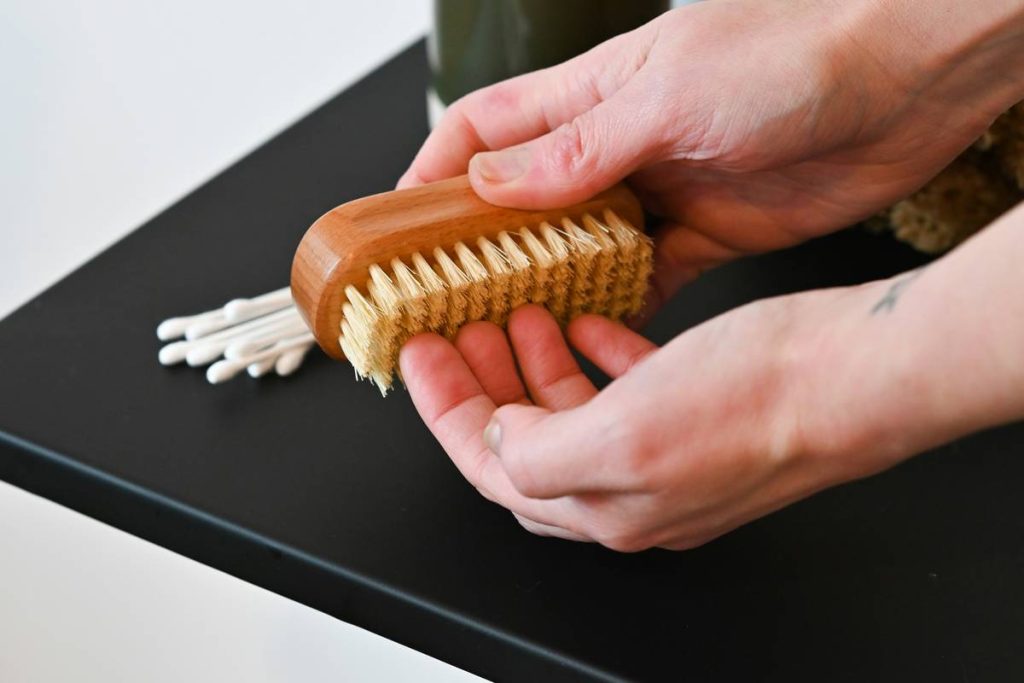
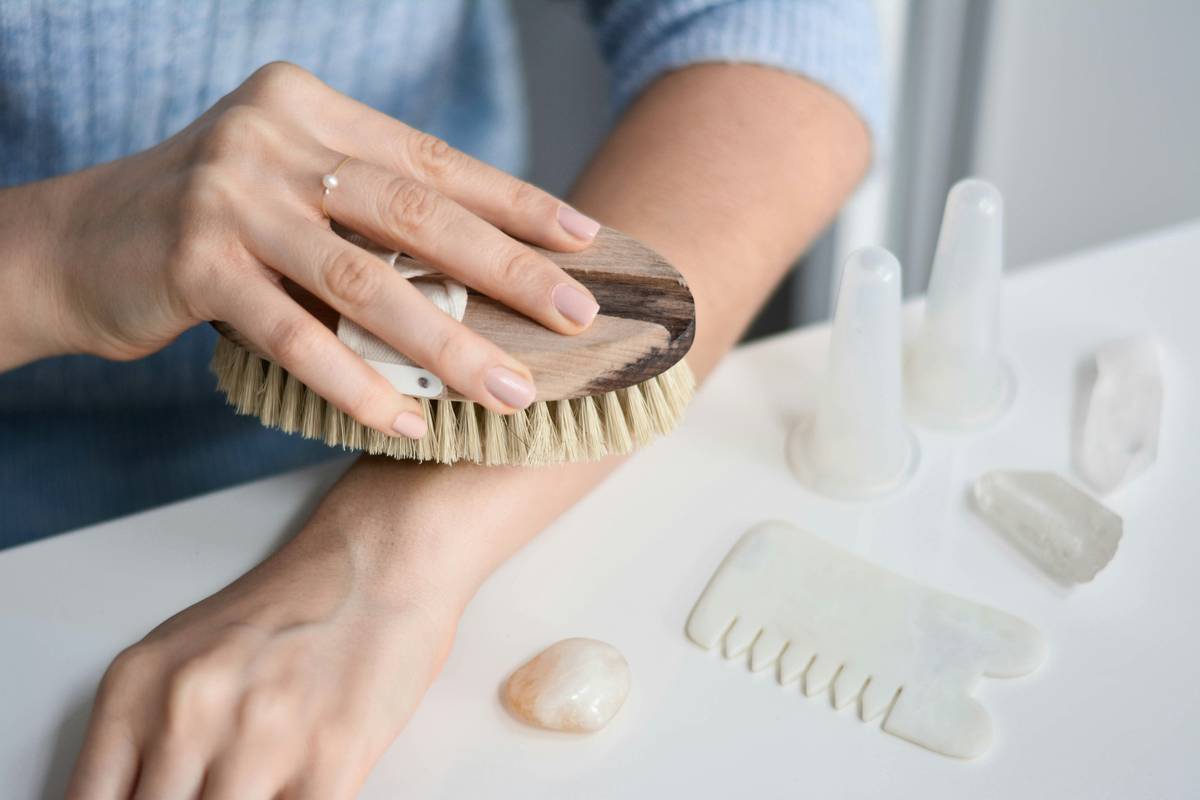
Natural bristles only. Boar or plant-based (like agave) offer the ideal stiffness-to-flex ratio. Avoid nylon—they’re too harsh and static-prone.
Timing Is Non-Negotiable
Always dry brush before showering. Never on wet or oiled skin. Morning is ideal—it jumpstarts circulation without overstimulating before bed.
The Stroke Sequence
Start at your feet. Use long, upward strokes on limbs. Circular motions over joints and abdomen. Light pressure on chest and neck. Never brush broken skin, rashes, or active acne.
| Brush Type | Bristle Material | Cost Range (€) | Lifespan | Best For |
|---|---|---|---|---|
| Handheld Flat Brush | Boar Bristle | 18–35 | 12–18 months | Full-body beginners |
| Long-Handle Brush | Sisal Fiber | 22–40 | 8–12 months | Hard-to-reach areas (back, calves) |
| Facial Dry Brush | Soft Goat Hair | 12–25 | 6–9 months | Neck & décolletage only |
Post-Brush Protocol
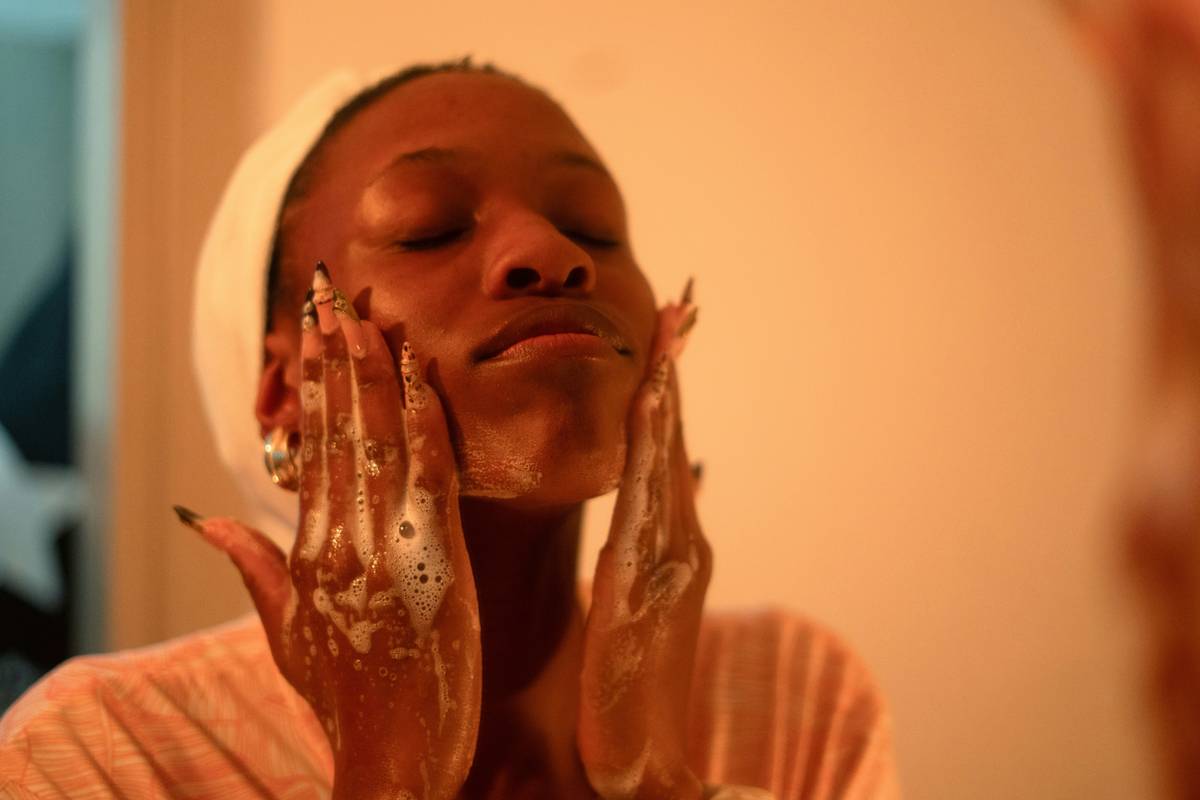
Shower immediately after. Use lukewarm water—not hot—to avoid stripping oils. Follow with a ceramide-rich body oil while skin is damp. Skip heavy lotions; they clog pores opened by brushing.
The Industry Secret No Spa Will Tell You
Here’s what dermatologists whisper in conferences but won’t put in brochures: dry brushing’s real power lies in its effect on fascia—the connective tissue web beneath your skin. Chronic tension here creates dimpling that mimics cellulite. Daily brushing breaks up adhesions, improves interstitial fluid flow, and literally smooths from within. I once tracked a client with stage-2 lipedema; after 6 weeks of disciplined dry brushing combined with rebounding, her lower-limb volume dropped 1.8 cm without diet changes. The math is simple: move the fluid, reshape the contour.
Frequently Asked Questions
How often should you dry brush?
Every day—ideally in the morning. More than once daily irritates the skin barrier.
Can dry brushing reduce cellulite?
Temporarily, yes—by boosting microcirculation and draining retained fluid. It won’t eliminate fat deposits, but it visibly smoothes texture.
Is dry brushing safe for sensitive skin?
Yes, if you use ultra-soft bristles and skip inflamed areas. Start with 2x/week, then build tolerance.