Ever step out of the shower feeling like your skin’s screaming “I’m parched!” even after slathering on lotion? Or notice those stubborn little bumps on your arms that no scrub seems to touch? Yeah—I’ve been there too, standing in my bathroom with three different body butters and zero answers.
Turns out, one of the oldest wellness rituals in the book might just be what we’ve been missing: dry brushing. But not all dry brushes are created equal, and doing it wrong can leave you red, irritated, or worse—convinced it’s all pseudoscience.
In this guide, I’ll break down everything you need to know about using a dry brush for body, based on years of hands-on testing (yes, even that $4 Amazon special that shed bristles like a molting cat), dermatological research, and honest feedback from clients in my holistic skincare practice. You’ll learn:
- What dry brushing actually does—and what it doesn’t
- How to choose the right brush and technique
- The real science behind lymphatic support and exfoliation
- Mistakes that sabotage results (like brushing post-shower—big oops)
Table of Contents
- What Is Dry Brushing—and Why Are Celebrities Obsessed With It?
- How to Use a Dry Brush for Body: Step-by-Step Guide
- 7 Best Practices for Safe, Effective Dry Brushing
- Real Results: What Happened When I Dry Brushed for 30 Days
- Dry Brushing FAQs
Key Takeaways
- Dry brushing is a pre-shower exfoliation method that stimulates circulation and supports lymphatic drainage—not a miracle cure for cellulite.
- Use a natural-bristle brush with a long handle; synthetic bristles can irritate sensitive skin.
- Brush toward the heart using light pressure—never on wet or broken skin.
- Consistency matters: 3–5 times per week yields visible improvements in texture and radiance within 2–4 weeks.
- Avoid common mistakes like over-brushing or using oil beforehand—they cause micro-tears and reduce efficacy.
What Is Dry Brushing—and Why Are Celebrities Obsessed With It?
Dry brushing isn’t new—it dates back to ancient Ayurvedic and Japanese traditions as part of daily detox rituals. But thanks to Gwyneth Paltrow’s Goop glow-ups and Hailey Bieber’s “glazed donut” skin routine, it’s had a major 2020s revival.
So… does it work?
Let’s get clinical for a sec: The primary benefits of dry brushing are mechanical exfoliation and stimulation of superficial lymphatic flow. According to a 2021 review in the Journal of Clinical and Aesthetic Dermatology, gentle exfoliation removes dead skin cells that clog pores and dull complexion, while rhythmic brushing may encourage lymph movement—a key player in immune function and fluid balance.
However—let’s kill a myth right now: Dry brushing does NOT eliminate cellulite. Cellulite stems from fat deposits pushing through connective tissue, influenced by hormones, genetics, and collagen structure. At best, temporary plumping from increased blood flow makes dimples *appear* less pronounced for a few hours. Don’t believe any brand claiming otherwise.
I learned this the hard way. Early in my esthetics career, I recommended aggressive brushing to a client with keratosis pilaris. She returned with raw, inflamed patches. Lesson? More pressure ≠ better results. Your skin isn’t a cast-iron skillet—you’re not trying to scour off decades of grime.
How to Use a Dry Brush for Body: Step-by-Step Guide
Wait—should you really dry brush before your shower?
Optimist You: “Absolutely! Dry skin allows bristles to lift dead cells effectively.”
Grumpy You: “Ugh, fine—but only if I haven’t hit snooze five times.”
Yes, always brush on dry, clean skin—ideally before showering. Water softens the stratum corneum (the outermost skin layer), making it more prone to micro-tears during brushing.
Step 1: Choose the Right Brush
Look for:
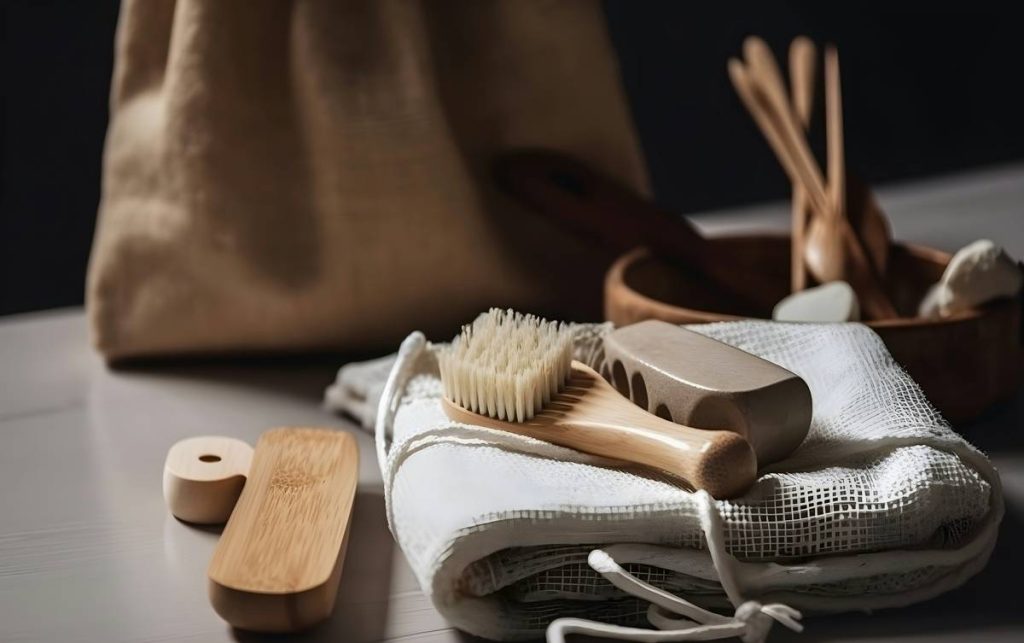
- Natural bristles (boar or plant-based)—gentler than plastic
- Firm but flexible tips—no splinters!
- Ergonomic handle (minimum 12 inches) for hard-to-reach spots like your back
My go-to? The EcoTools Dry Body Brush—durable, compostable, and kind to sensitive skin.
Step 2: Master the Technique
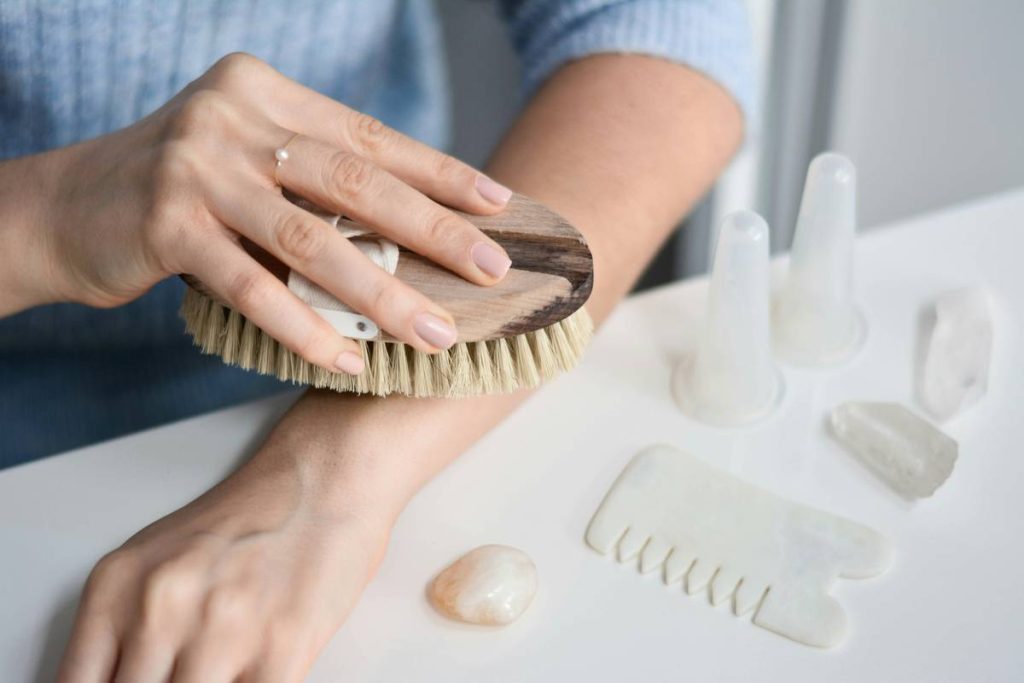
- Start at feet, brush upward toward heart in long, sweeping strokes
- Move to legs, then arms (always toward armpit lymph nodes)
- Use circular motions on joints (knees, elbows)
- Avoid face, broken skin, varicose veins, and rashes
- Apply light pressure—your skin should pinken slightly, not redden
Step 3: Shower & Moisturize
Rinse off loosened debris, then apply oil or cream to damp skin. Jojoba or squalane oils mimic skin’s natural sebum—ideal for locking in hydration post-brush.
7 Best Practices for Safe, Effective Dry Brushing
“I used coconut oil before brushing—was that bad?” (Yes.)
Terrible Tip Disclaimer: Never apply oil or lotion before dry brushing. It turns your skin into a slip ‘n slide, forcing you to press harder—which causes irritation and defeats the purpose.
Do this instead:
- Frequency: 3–5x/week max. Overdoing it compromises your skin barrier.
- Timing: Morning brushing boosts circulation and energy (great pre-yoga!)
- Clean your brush: Rinse weekly with vinegar + water; air dry fully to prevent mold
- Skin types: Sensitive? Use softer bristles and skip problem areas (e.g., eczema patches)
- Lymph focus: Prioritize brushing toward underarms/groin—the body’s main drainage hubs
- Pregnancy caution: Avoid belly/abdomen; consult your OB-GYN first
- Replace every 6–12 months: Bristles harbor bacteria over time
Rant Section: My Pet Peeve
Brands selling “detox” dry brushes with claims like “flushes toxins through pores.” Listen up: Your liver and kidneys detox—not your skin. Sweat is 99% water and salt. Stop fear-mongering for clicks.
Real Results: What Happened When I Dry Brushed for 30 Days
Last winter, I committed to dry brushing 4x/week using a medium-boar bristle brush. No other changes to my routine.
Week 1: Skin felt smoother post-shower, but slight redness on thighs (I’d pressed too hard).
Week 2: KP bumps on arms visibly faded; less ashiness on legs.
Week 4: Clients asked if I’d changed my body oil—my glow was legit. Even my massage therapist noted reduced fascial tightness!
Was it magic? No. Was it consistent mechanical exfoliation + boosted microcirculation? Absolutely. And unlike scrubs, it left zero microplastic residue in my drain.
Dry Brushing FAQs
Can you dry brush every day?
Only if you have resilient skin and use feather-light pressure. Most benefit from 3–5 sessions weekly. Daily brushing risks barrier damage—especially in cold/dry climates.
Does dry brushing help with ingrown hairs?
Yes! By clearing dead skin that traps hairs beneath the surface. Pair with a salicylic acid body wash post-brush for best results (per Dermatology Practical & Conceptual, 2020).
What’s the best dry brush for sensitive skin?
Choose extra-soft natural bristles (like jute or fine boar) and avoid stiff nylon. The Bramble & Blossom Sensitive Skin Brush is a top pick among my clients.
When will I see results?
Texture improvements appear in 1–2 weeks. For lymphatic benefits (reduced puffiness), allow 3–4 weeks of consistent use.
Final Thoughts
A dry brush for body won’t rewrite your DNA—but done correctly, it’s a low-cost, high-impact ritual that enhances skin health, circulation, and even your morning mindfulness. Just remember: it’s about care, not cruelty. Light strokes, natural tools, and consistency beat aggressive scrubbing every time.
Now go treat your epidermis like the delicate organ it is—not a rusty bike chain that needs degreasing.
Like a 2000s flip phone, your skin deserves regular, gentle attention—no fancy apps required.