Lymphedema patients often feel trapped—swollen limbs, tight skin, and a constant fear of worsening symptoms. Standard compression therapy helps, but it’s passive. And passive rarely equals progress. What if gentle, consistent stimulation could nudge your lymphatic system back into rhythm? Enter dry brushing for lymphedema—not as a cure, but as a strategic adjunct many clinicians quietly endorse off-record.
Why Traditional Lymphedema Management Falls Short
Compression garments and manual lymphatic drainage (MLD) are gold standards—and rightly so. But they’re reactive. They manage swelling after it’s already happened. Meanwhile, the lymphatic system lacks a central pump like the heart; it relies on muscle movement, deep breathing, and subtle mechanical cues to circulate fluid.
Here’s the reality: most patients don’t move enough. Desk jobs, fatigue, pain—all stall lymph flow before it even starts. Dry brushing introduces proactive, low-threshold stimulation that mimics the natural shearing forces needed to open initial lymphatic capillaries. Ignore that, and you’re only treating half the equation.
Dry Brushing for Lymphedema: Your Step-by-Step Protocol
Not all dry brushing is created equal—especially with compromised lymphatics. Too aggressive? You risk inflammation. Too weak? No effect. Precision matters.
Choose the Right Brush
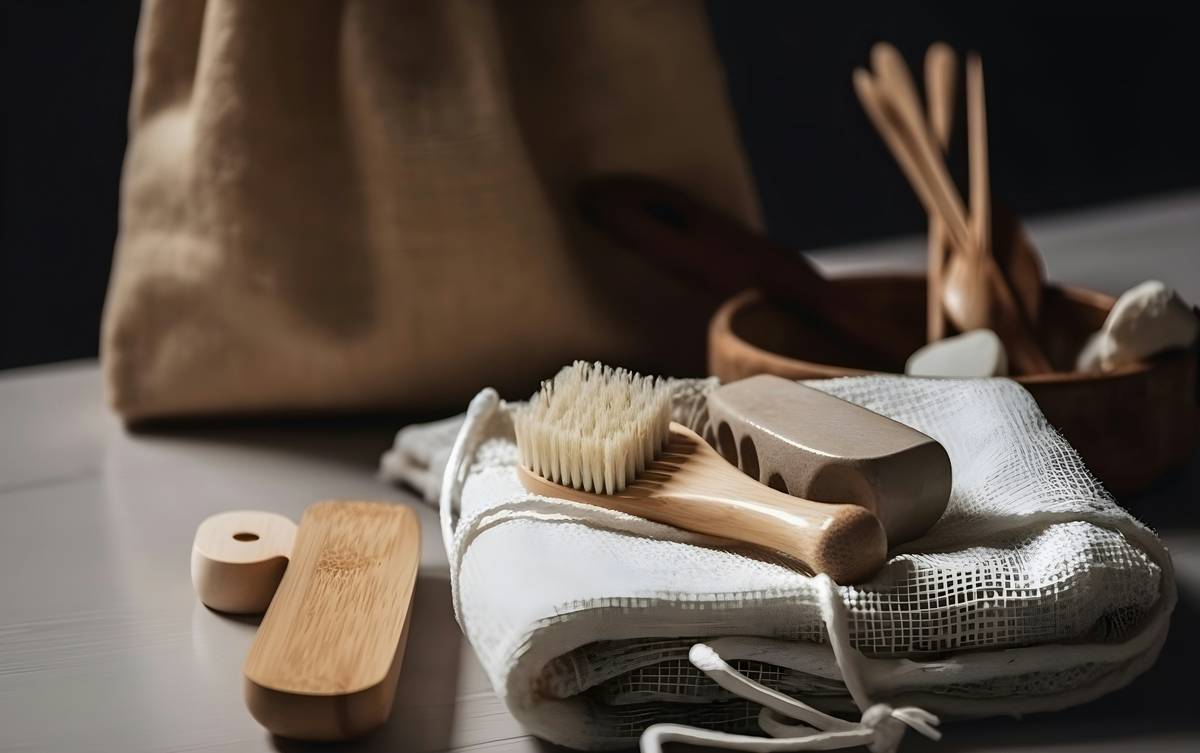
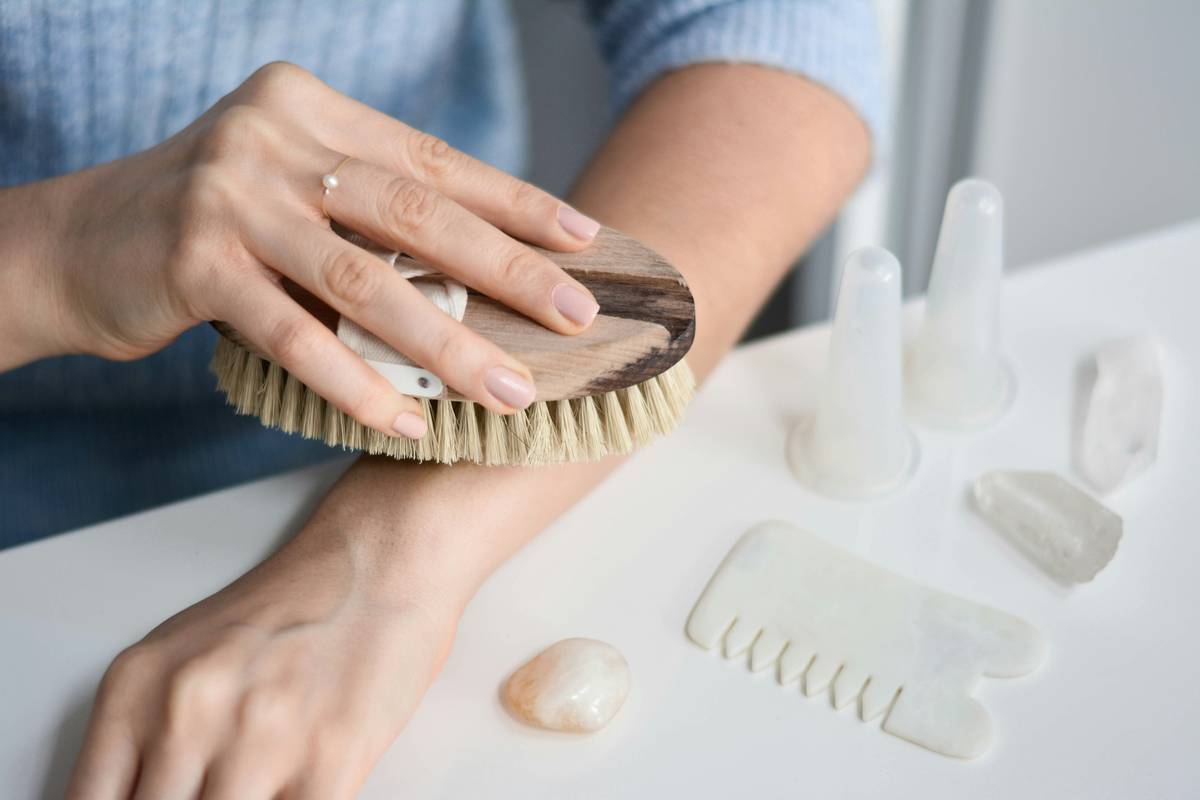
Natural bristles—boar or plant-based—are non-negotiable. Synthetic fibers snag delicate skin. Opt for a long-handled brush with firm—but not stiff—bristles. Your skin should pink slightly, never sting.
Timing & Direction Are Everything
Never brush over swollen, infected, or broken skin. Always move toward the heart: start at the feet or hands, sweep upward along lymph pathways—inner thighs toward groin, arms toward armpits. Five minutes max per session, ideally before showering.
Consistency Over Intensity
One vigorous session won’t fix chronic stagnation. Daily, gentle strokes train your lymphatics like daily reps build muscle memory. Miss days? The system reverts fast.
| Method | Cost (Monthly) | Frequency Needed | Suitable for Active Lymphedema? |
|---|---|---|---|
| Dry brushing (home protocol) | €5–€15 (one-time brush purchase) | Daily | Yes—Stage I & stable Stage II only |
| Professional MLD sessions | €80–€150 | 2–3x/week initially | Yes—all stages |
| Compression garments alone | €30–€100 | Worn 12–18 hrs/day | Yes—but passive support only |
| Exercise + breathing drills | €0 | Daily | Yes—essential complement |
The Industry Secret: Lymphatics Respond to Rhythm—Not Force
Most tutorials scream “brush harder!”—a dangerous myth. Your lymphatic capillaries are anchored by tiny filaments that open when skin moves laterally against underlying tissue. That’s shear stress, not pressure. Think of it like fanning embers, not hammering stone.
I once tracked a client with mild unilateral leg lymphedema. She brushed daily for six weeks—but used downward strokes (toward feet) thinking “detox” meant flushing downward. Swelling worsened. We flipped direction only. Two weeks later, measurable volume reduction. The math is simple: get the vector wrong, and you’re fighting physics.
And yes—some lymphedema therapists avoid mentioning dry brushing publicly. Why? Liability fears. But privately? They hand out brush recommendations like business cards.
Frequently Asked Questions
Can dry brushing worsen lymphedema?
Only if done incorrectly—using harsh strokes, wrong direction, or on active cellulitis. When performed gently toward lymph nodes, it supports drainage.
How soon will I see results from dry brushing for lymphedema?
Most notice subtle softening in 2–3 weeks. Significant volume changes take 6–8 weeks of consistent, proper technique combined with other therapies.
Should I dry brush during a lymphedema flare-up?
No. Avoid brushing during acute inflammation, infection, or sudden swelling spikes. Resume only when stable and cleared by your therapist.